
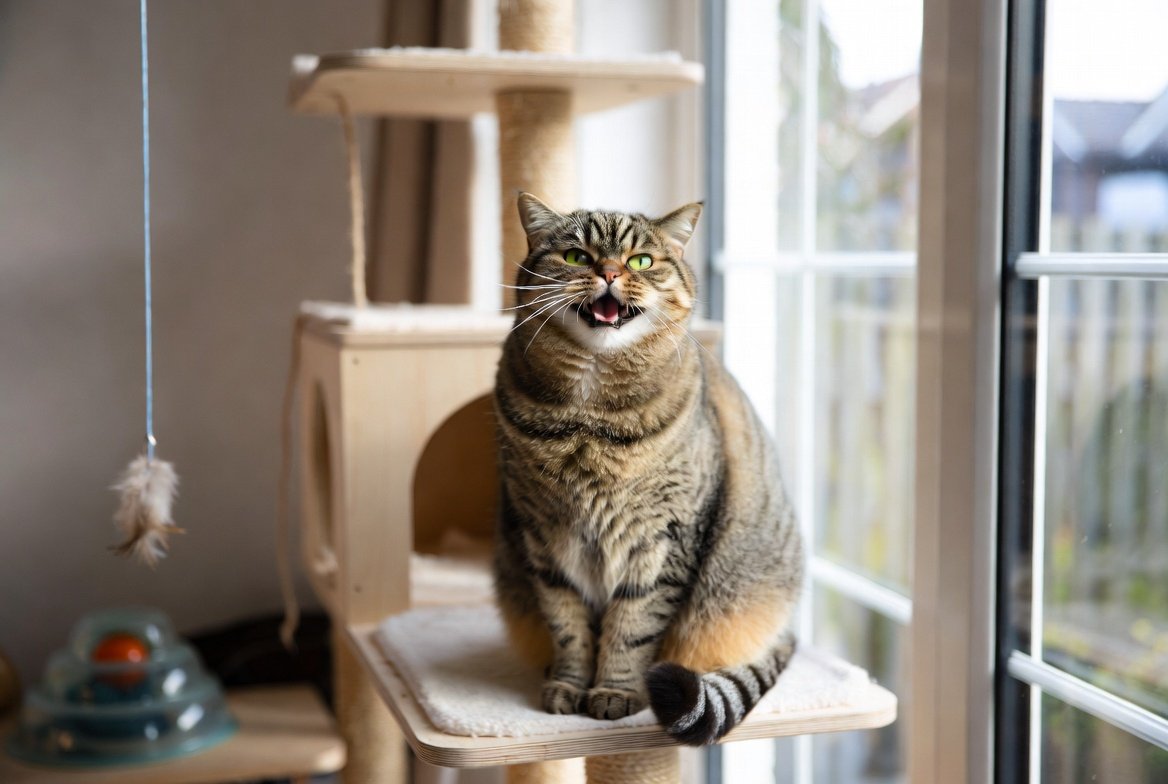
Struggling to keep your indoor cat entertained? Discover 15 expert-backed cat enrichment ideas for indoor cats in the UK. From puzzle feeders and cat trees to sensory stimulation and play routines, learn how to keep your feline companion happy, healthy, and mentally sharp — all without breaking the bank.
Best Cat Beds for Indoor Cats UK 2026: The Ultimate Guide for Cosy Felines
Finding the best cat bed for indoor cats in the UK can feel overwhelming, especially with so many styles, shapes, and materials on the market. Whether your feline friend prefers a snug igloo, a plush donut, or a warm cave-style hideaway, choosing the right bed makes a real difference to their comfort, health, and happiness. In this guide, we’ll walk you through everything you need to know about picking the perfect cat bed — from understanding your cat’s sleeping habits to exploring the most popular styles loved by UK cat owners in 2026. Why Does Your Indoor Cat Need a Good Bed? Indoor cats spend up to 16 hours a day sleeping. That’s a significant portion of their life, and where they rest truly matters. A quality cat bed provides warmth, security, and joint support — particularly important for older cats or breeds prone to arthritis. Unlike outdoor cats who find sheltered spots naturally, indoor cats rely entirely on what you provide. A dedicated bed gives them a safe space that’s entirely their own, reducing stress and anxiety. This is especially valuable in busy households with children or other pets. Additionally, a proper cat bed helps keep fur off your furniture and gives your cat a consistent, clean place to sleep. It’s a simple investment that improves your cat’s wellbeing significantly. Types of Cat Beds: Which Style Suits Your Cat? Not every cat bed suits every cat. Understanding the different styles available helps you make a more informed choice. Here are the most popular types of cat beds for indoor cats in the UK right now. Donut and Round Cat Beds Donut-style cat beds are one of the most popular choices among UK cat owners, and for good reason. These beds feature raised, cushioned edges that create a nest-like feeling. Cats love curling up inside them because the soft walls provide a sense of security and warmth. They’re ideal for cats who like to sleep in a curled-up position. Most donut beds come with removable, machine-washable covers, making them practical for everyday use. If your cat tends to knead before settling down, a plush donut bed is an excellent match. Cave and Igloo Cat Beds Cave-style and igloo cat beds are perfect for shy or anxious cats. The enclosed design gives your cat a private retreat where they feel hidden and protected. Many indoor cats instinctively prefer covered spaces, so these beds often become an instant favourite. These beds work particularly well during colder months, as the enclosed structure traps body heat. If you’ve noticed your cat squeezing into boxes or hiding under blankets, a cave bed is likely the ideal choice for them. Heated and Self-Warming Cat Beds Heated cat beds have become increasingly popular in the UK, particularly for senior cats and those living in homes without central heating in every room. There are two main types: electric heated beds and self-warming beds that reflect your cat’s body heat. Self-warming beds are generally the safer option, as they don’t require any plugs or cables. They use a special thermal lining that radiates warmth back to your cat. For elderly cats with joint stiffness or arthritis, a heated bed can genuinely improve their quality of life. Raised and Elevated Cat Beds Some cats prefer sleeping off the ground. Raised cat beds and hammock-style designs satisfy this instinct beautifully. Elevated beds also improve airflow around your cat, keeping them cooler in summer and away from cold draughts on the floor in winter. These are particularly popular for cat trees and climbing furniture, where the bed sits on an elevated platform. If your cat enjoys perching on high surfaces like shelves or the back of the sofa, a raised bed is well worth considering. How to Choose the Best Cat Bed for Your Indoor Cat With so many options available, how do you actually choose the right one? Here are the key factors every UK cat owner should consider before buying a cat bed. Consider Your Cat’s Sleeping Style Pay attention to how your cat sleeps. Do they curl into a tight ball? A donut or bolster bed is perfect. Do they stretch out fully? A flat cushion or mat gives them the space they need. Do they burrow under blankets? A cave bed is the answer. Matching the bed to your cat’s natural preferences is the single most important factor. Even the most expensive bed will be ignored if it doesn’t suit how your cat likes to rest. Size Matters Always check the dimensions before ordering. A bed that’s too small will be uncomfortable, while one that’s too large may not provide the cosy, enclosed feeling most cats prefer. As a general rule, the bed should be slightly larger than your cat when they’re in their favourite sleeping position. For kittens, consider starting with a smaller bed and upgrading as they grow. For larger breeds like Maine Coons or British Shorthairs, look specifically for large cat beds designed for bigger felines. Material and Washability Cat beds collect fur, dander, and the occasional accident. Choosing a bed with a removable, machine-washable cover saves you a great deal of hassle. Look for materials that are soft yet durable — fleece, sherpa, and plush fabrics are all excellent choices. Avoid beds with loose threads or small
How to Stop Your Cat Scratching Furniture: Proven Tips for UK Cat Owners
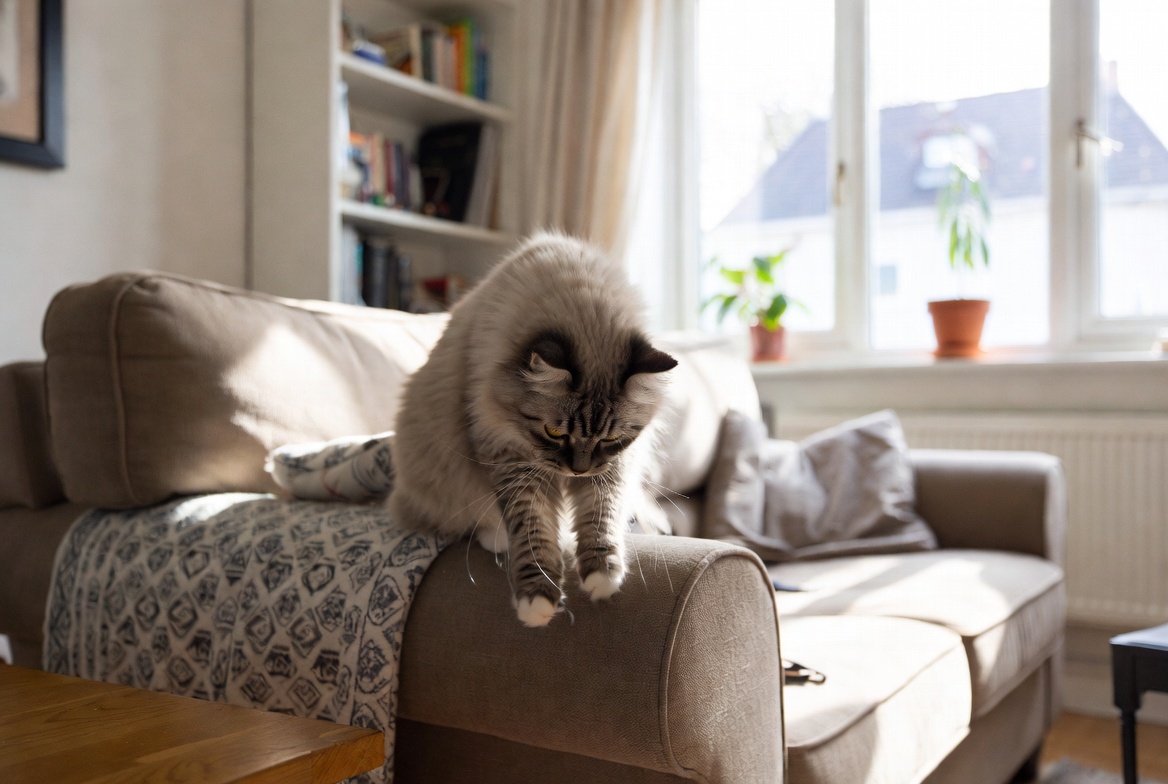
If your cat has turned your sofa into a shredded mess, you are not alone. Cat scratching furniture is one of the most common frustrations for pet owners across the UK, and it is also one of the most misunderstood. The good news is that there are simple, effective ways to stop the damage while keeping your cat healthy and happy. Whether you have just brought home a new kitten or your older cat has suddenly started clawing the armchair, this guide will help you understand the real reasons behind the behaviour and show you practical solutions that actually work. No harsh methods, no stress, just smart thinking and the right products. Why Do Cats Scratch Furniture in the First Place Before you can fix the problem, it helps to understand why it happens. Scratching is completely natural behaviour for cats. It is not naughty or destructive by intent. Your cat scratches for several important reasons. First, scratching helps cats maintain their claws. It removes the dead outer layer and keeps the nails sharp and healthy. Second, it is a form of territory marking. Cats have scent glands in their paws, and scratching leaves both a visual and scent-based message to other animals. Third, scratching is a way for cats to stretch their muscles, particularly in the shoulders and legs. Finally, it can be a response to stress, boredom, or excess energy. Understanding this is the key to solving the problem. Punishing a cat for scratching never works because you are asking them to stop doing something their body needs. The real solution is to redirect the scratching to something more appropriate. Why Cat Scratching Furniture Is Trending in the UK Right Now Search demand for solutions to cat scratching furniture has surged across the UK in recent months. There are a few clear reasons behind this trend. The number of indoor cats in the UK has risen steadily since 2020. According to the PDSA Animal Wellbeing Report, a significant proportion of UK cats are now kept exclusively indoors. Indoor cats are more likely to scratch furniture because they do not have access to trees, fence posts, and other outdoor surfaces that satisfy the urge naturally. At the same time, the cost of furniture has gone up considerably. Replacing a sofa can cost hundreds or even thousands of pounds, and many cat owners are understandably looking for affordable ways to protect their investment without rehoming or restricting their pet. Social media has also played a role. TikTok is full of viral videos from cat owners showing creative solutions to furniture scratching, and this has pushed more people to search for answers. Posts about scratched sofas and clever fixes regularly receive thousands of likes, and UK pet influencers are leading the conversation. The result is a massive wave of UK cat owners actively searching for help, and this article delivers exactly that. The Biggest Mistakes Cat Owners Make When Trying to Stop Scratching Many well-meaning cat parents make the same errors when dealing with this problem. Avoiding these common mistakes will save you time, money, and frustration. One of the most frequent mistakes is using punishment. Shouting at your cat, spraying water, or pushing them away from the furniture creates fear and anxiety, but it does not teach your cat where to scratch instead. It can even make the behaviour worse because stress is a trigger for scratching. Another common error is buying a scratcher that is too small or unstable. If the scratching post wobbles or does not allow a full stretch, your cat will ignore it entirely. Cats need a surface that is tall enough to stretch against and sturdy enough to resist their weight. Some owners also place the scratcher in the wrong location. Tucking it away in a corner or spare room means your cat will never use it. Scratchers need to be positioned near the furniture your cat already targets, or in areas where they spend the most time. Finally, many people give up too quickly. Redirecting scratching behaviour takes patience, and expecting overnight results leads to disappointment. Expert Advice on Redirecting Your Cat Away From the Sofa Veterinary behaviourists agree that the most effective approach is to provide an attractive alternative rather than trying to stop the behaviour altogether. Here is a step-by-step approach recommended by feline welfare experts in the UK. Start by observing your cat. Do they prefer vertical scratching on the side of the sofa, or horizontal scratching on the carpet? This tells you what type of scratcher to buy. Some cats prefer tall upright posts, while others love flat scratching boards or angled surfaces. Next, choose a scratcher made from a material your cat enjoys. Sisal rope, corrugated cardboard, and natural wood are the most popular textures. Many cats have a strong preference, so you may need to experiment. Place the new scratcher directly next to the piece of furniture your cat has been targeting. This is important because your cat has already chosen that spot as a scratching station. You need to offer a better option in the same place. Over time, you can gradually move it to a location that suits you better. Encourage your cat to use the scratcher by sprinkling a little catnip on it or playing near it with a feather toy. Never force your cat’s paws onto the surface as this creates a negative association. Once your cat starts using the alternative, reward them with treats and praise. Positive reinforcement is the fastest way to build a new habit. The Benefits of Providing a Dedicated Scratching Space Giving your cat a proper scratching area does far more than save your furniture. It genuinely improves their quality of life. Cats with access to good scratching surfaces are calmer and less anxious. The physical act of scratching releases tension and provides a form of exercise that indoor cats especially need. It also supports healthy claw growth and reduces the risk of ingrown nails. A dedicated scratching
Best Interactive Cat Toys for Indoor Cats in the UK
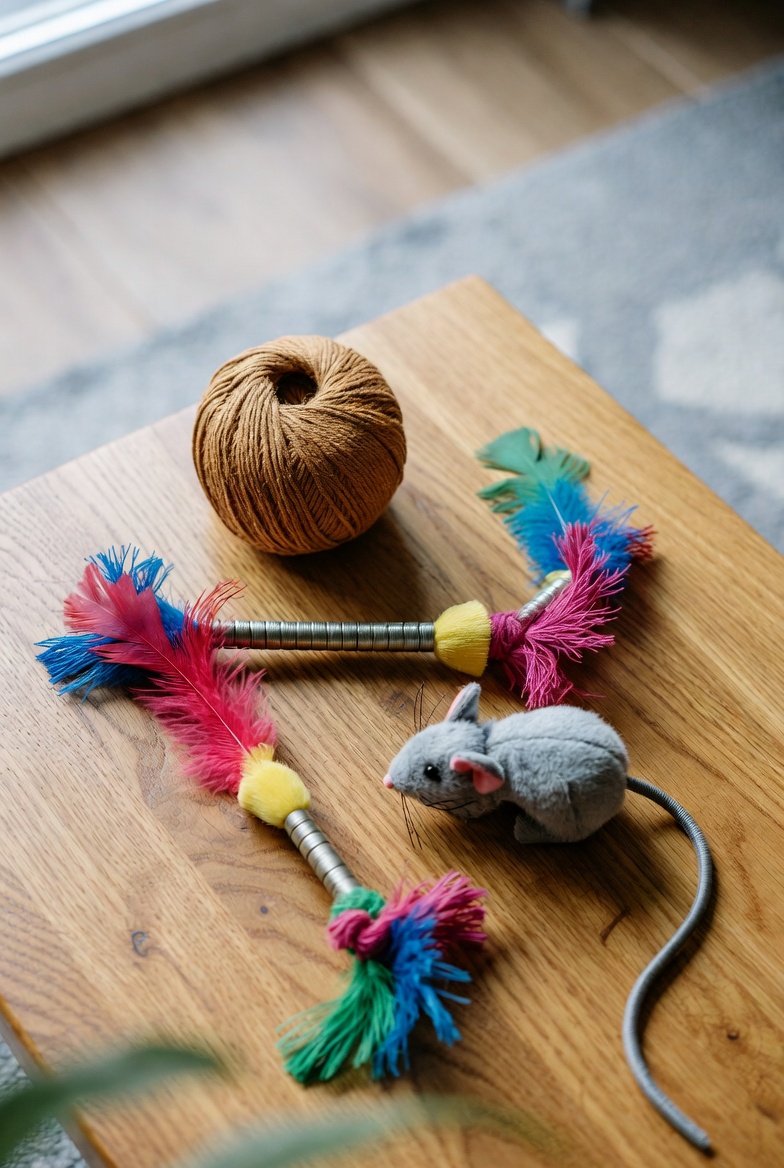
If your cat spends most of their time indoors, you have probably noticed them staring out the window, knocking things off shelves, or racing around the house at three in the morning. These are not signs of a badly behaved cat. They are signs of a bored one. Indoor cats need mental and physical stimulation to stay healthy and happy, and the right interactive cat toys can make all the difference. In this guide, we explore the best interactive cat toys for indoor cats in the UK, why enrichment matters more than ever, and how to choose toys your feline friend will actually enjoy. Why Indoor Cats Need Interactive Toys Cats are natural hunters. In the wild, they spend a large part of their day stalking, chasing, and pouncing on prey. When a cat lives indoors without access to these activities, they can quickly become frustrated, anxious, or overweight. According to the RSPCA, environmental enrichment is one of the most important things you can provide for an indoor cat. Interactive toys help replicate those natural hunting instincts in a safe and controlled way. Without enough stimulation, indoor cats may develop behavioural problems such as excessive grooming, scratching furniture, aggression, or withdrawal. On the other hand, cats that have access to engaging toys tend to be calmer, more sociable, and significantly healthier overall. Therefore, investing in good quality interactive cat toys is not a luxury. It is a genuine necessity for responsible cat ownership. The Growing Trend of Indoor Cat Enrichment in the UK In recent years, the indoor cat trend has grown rapidly across the United Kingdom. More cat owners are choosing to keep their cats indoors due to concerns about busy roads, wildlife protection, and neighbourhood safety. According to a 2024 report by the Pet Food Manufacturers Association (PFMA), approximately 26 percent of UK cats are now kept exclusively indoors. This number continues to rise in 2025 and 2026, particularly in urban areas. As a result, the demand for interactive cat toys has surged. Pet retailers across the UK, from Amazon to independent shops, are reporting strong sales in products that provide mental stimulation. Categories such as puzzle feeders, turntable track toys, and automated laser pointers have seen particularly strong growth. On TikTok, hashtags like CatEnrichment and IndoorCatLife have millions of views, with UK creators regularly showcasing creative ways to keep their indoor cats entertained. This trend is not just a passing fad. Veterinary professionals increasingly recommend structured play as part of a cat’s daily routine. The International Cat Care charity specifically advises that indoor cats should have multiple types of interactive toys rotated regularly to prevent boredom and maintain interest. Types of Interactive Cat Toys That Work Best Not all cat toys are created equal. Some will capture your cat’s attention for hours, while others will be ignored after five minutes. Understanding the different types of interactive toys can help you make smarter choices. Here are the main categories that consistently perform well with indoor cats. Turntable Track and Roller Ball Toys These toys feature multiple levels of circular tracks with balls that spin around when your cat bats them. They are brilliant for encouraging independent play and keeping your cat engaged even when you are not at home. The unpredictable movement of the balls mimics the erratic movement of prey, which keeps your cat mentally sharp and physically active. Multi level designs are especially popular because they offer more complexity and hold a cat’s attention for longer periods. Feather Wand and Teaser Toys Feather wands remain one of the most effective interactive toys because they involve direct play between you and your cat. Dangling a feather toy through the air mimics the movement of birds, triggering your cat’s chase and pounce instincts. This type of toy is excellent for bonding and can provide intense bursts of exercise. However, always supervise your cat with feather toys, as small parts can be a choking hazard if left unattended. Puzzle Feeders and Treat Dispensing Toys Puzzle feeders slow down eating while encouraging your cat to work for their food. This replicates the natural foraging behaviour cats would display in the wild. They are particularly useful for cats that eat too quickly or need to lose weight. Many UK veterinary practices now recommend puzzle feeders as a standard part of indoor cat care. Automated and Electronic Toys For busy cat owners, automated toys can be a lifesaver. Products such as robotic mice, automatic laser pointers, and motion activated toys provide stimulation without requiring your constant involvement. These are ideal for cats that are home alone during the day. Just make sure to choose products with an automatic shut off feature so your cat does not become overstimulated or exhausted. How to Choose the Right Interactive Toy for Your Cat Every cat has a unique personality, and what works for one may not work for another. Before purchasing interactive cat toys, consider the following factors to ensure you make the right choice. First, think about your cat’s age. Kittens tend to enjoy fast moving toys that they can chase, while older cats often prefer slower puzzle based toys that do not require as much physical effort. Secondly, consider your cat’s energy level. A highly active cat will benefit from multi level turntable toys or feather wands, whereas a calmer cat might prefer a treat dispensing ball they can nudge at their own pace. Safety is also essential. Always check that toys do not contain small detachable parts that could be swallowed. Look for non toxic materials and sturdy construction that can withstand enthusiastic play. In addition, consider whether the toy encourages independent play or requires your involvement. Ideally, your cat should have access to both types so they stay entertained whether you are home or not. Finally, variety is key. Cats can lose interest in the same toy after a while, so it is a good idea to have a rotation of three or four different toys. Swapping them out every
Best Tofu Cat Litter UK 2026: The Eco-Friendly Switch Every Cat Owner Needs
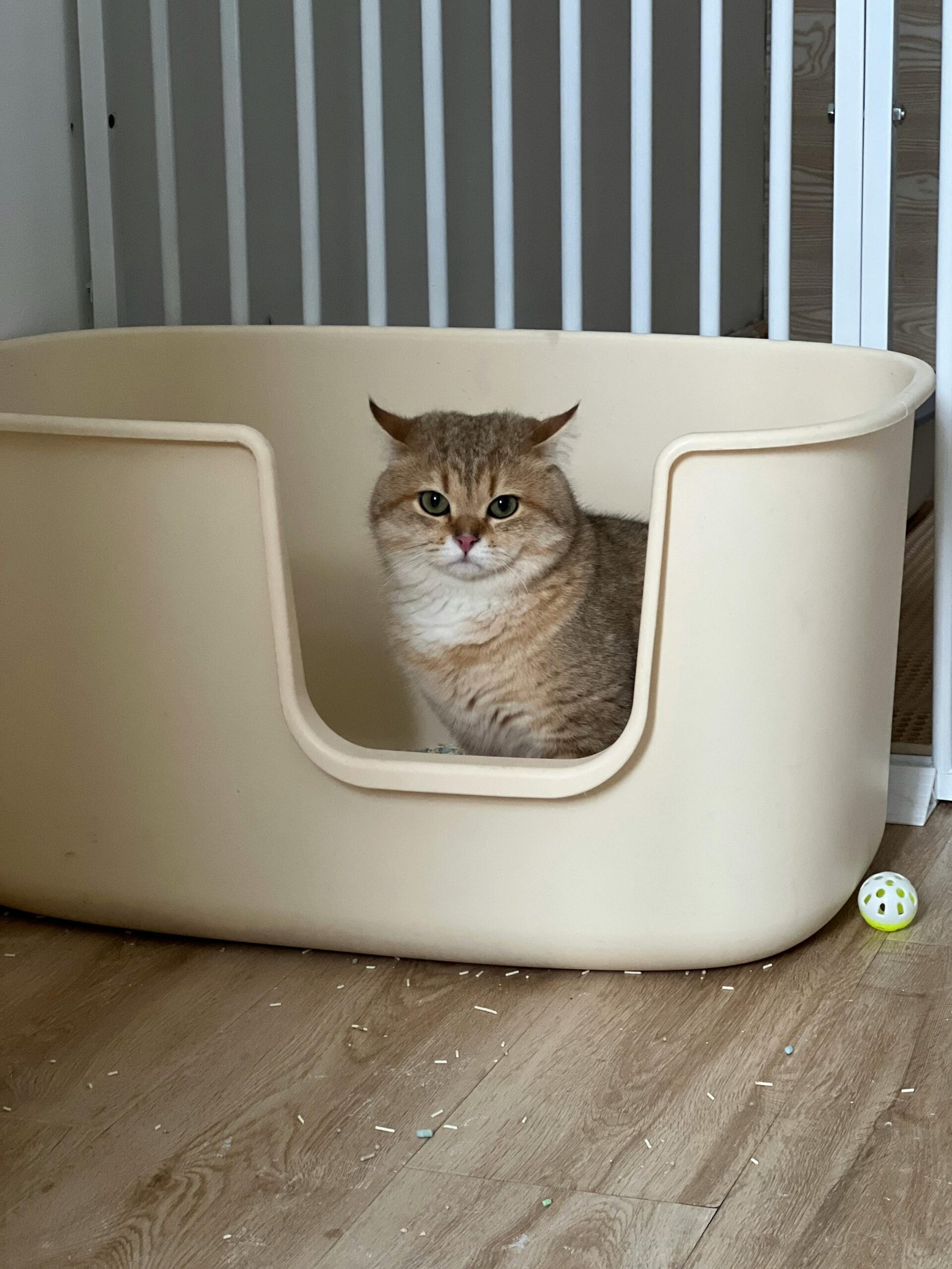
If you’ve been scooping traditional clay litter and wondering whether there’s a better option for your cat, your home, and the planet — you’re not alone. Thousands of UK cat owners are making the switch to tofu cat litter in 2026, and it’s quickly becoming one of the most talked-about changes in the cat care world. Finding the best tofu cat litter UK cat parents can rely on is now easier than ever, and the results speak for themselves. Tofu cat litter is made from natural soybean fibre, and it offers something that traditional clay and silica litters simply cannot match: genuine eco-friendliness combined with outstanding performance. In this guide, we’ll walk you through everything you need to know about tofu cat litter, why it’s trending across the UK right now, and how to choose the best tofu cat litter UK shops and online retailers currently offer. What Exactly Is Tofu Cat Litter? Tofu cat litter is a plant-based litter made from the by-products of soybean processing — specifically, the compressed fibre left after tofu production. Rather than ending up as waste, this material is dried, shaped into small pellets or granules, and used as a highly absorbent, clumping cat litter. Unlike traditional clay litter, which is strip-mined from the earth and takes hundreds of years to decompose, tofu litter is fully biodegradable and often flushable in small amounts. It clumps quickly on contact with moisture, traps odours effectively, and produces significantly less dust than clay alternatives — which is a major benefit for cats and owners with respiratory sensitivities. Why Tofu Cat Litter Is Trending in the UK Right Now The shift toward tofu cat litter in the UK hasn’t happened by accident. Several powerful trends are driving this change in 2026, and they all point in the same direction. The Sustainability Movement UK pet owners are more environmentally conscious than ever before. According to recent industry data, demand for biodegradable pet products in Britain has risen by over 25 percent in the last two years alone. Cat litter is one of the biggest contributors to household waste for cat owners, and switching to a plant-based option like tofu litter is one of the simplest ways to reduce that environmental footprint. Social Media and Word of Mouth TikTok and Instagram have been flooded with cat owners sharing their tofu litter experiences. Videos demonstrating the clumping power, the lack of dust, and the ease of disposal have racked up millions of views. UK-based cat influencers and pet bloggers have been championing tofu litter as a genuine upgrade, and their audiences are listening. Health-Conscious Cat Owners Many traditional clay litters contain silica dust, which can irritate both feline and human respiratory systems over time. Tofu litter produces virtually no dust, making it a far healthier choice for cats with asthma or allergies, and for owners who want to keep their homes as clean and dust-free as possible. This health angle has been a significant driver of adoption across the UK. The Real Benefits of Tofu Cat Litter Excellent Clumping and Odour Control One of the biggest concerns cat owners have when switching to a new litter is whether it will actually work as well as what they’re used to. With tofu cat litter, the answer is a resounding yes. High-quality tofu litters form tight, solid clumps within seconds of contact with moisture. These clumps hold together when scooped, making tray cleaning quick and efficient. Odour control is equally impressive — the natural soybean fibres absorb and neutralise smells without relying on artificial fragrances. Virtually Dust-Free This is where tofu litter truly shines compared to clay alternatives. Traditional clay litter kicks up clouds of fine dust every time your cat digs or you pour fresh litter into the tray. Over time, this dust settles on furniture, gets inhaled by everyone in the household, and can aggravate respiratory conditions. Tofu litter produces almost no dust whatsoever, which means cleaner air and a healthier home for both you and your cat. Biodegradable and Eco-Friendly Perhaps the most compelling benefit of tofu cat litter is its environmental credentials. Because it’s made entirely from plant-based materials, tofu litter breaks down naturally and can often be composted (for non-edible garden plants only). Some formulations are even safe to flush in small quantities, although you should always check your local water authority guidelines before doing so. Compared to clay litter, which sits in landfill for centuries, tofu litter represents a genuinely sustainable choice. Lightweight and Easy to Handle Anyone who has carried a bag of clay litter home from the supermarket knows how heavy it can be. Tofu cat litter is considerably lighter — often around half the weight of an equivalent volume of clay. This makes it easier to carry, pour, and store, which is especially welcome for older cat owners or anyone with limited mobility. Safe If Accidentally Ingested Kittens and curious cats sometimes nibble at their litter. Because tofu litter is made from food-grade soybean fibre, it’s non-toxic and far safer than clay or silica alternatives if a small amount is accidentally swallowed. This gives cat parents — particularly those with young kittens — valuable peace of mind. How to Choose the Best Tofu Cat Litter UK: A Complete Buying Guide With the growing popularity of tofu cat litter, the UK market now offers dozens of options. However, not all tofu litters are created equal. Here’s what to look for when choosing the best tofu cat litter UK retailers currently stock. Clumping Quality The best tofu litters form firm, tight clumps that don’t crumble when scooped. Look for products that specifically highlight their clumping performance, and check user reviews for real-world feedback on this. Poor clumping leads to wasted litter and a messier tray, so this should be your top priority. Odour Control Some tofu litters rely on natural soybean properties alone for odour control, while others add activated charcoal or green tea extract for extra deodorising power. If you have a multi-cat household
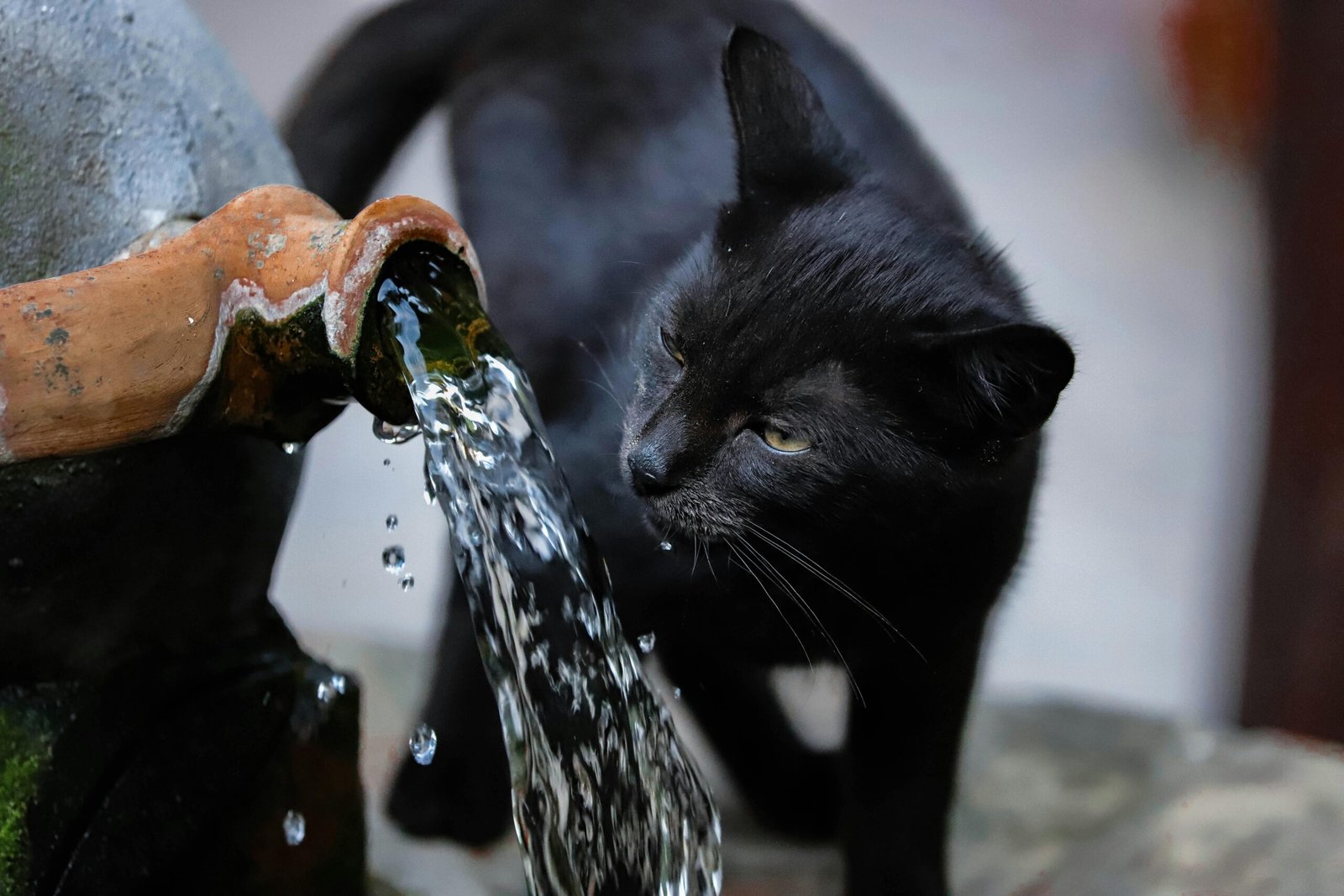
The Best Cat Water Fountain in the UK 2026: Why Every Cat Needs One
Discover why cat water fountains are the UK’s most trending cat product in 2026. Vet-approved, TikTok-viral, and proven to protect your cat’s kidney health.