
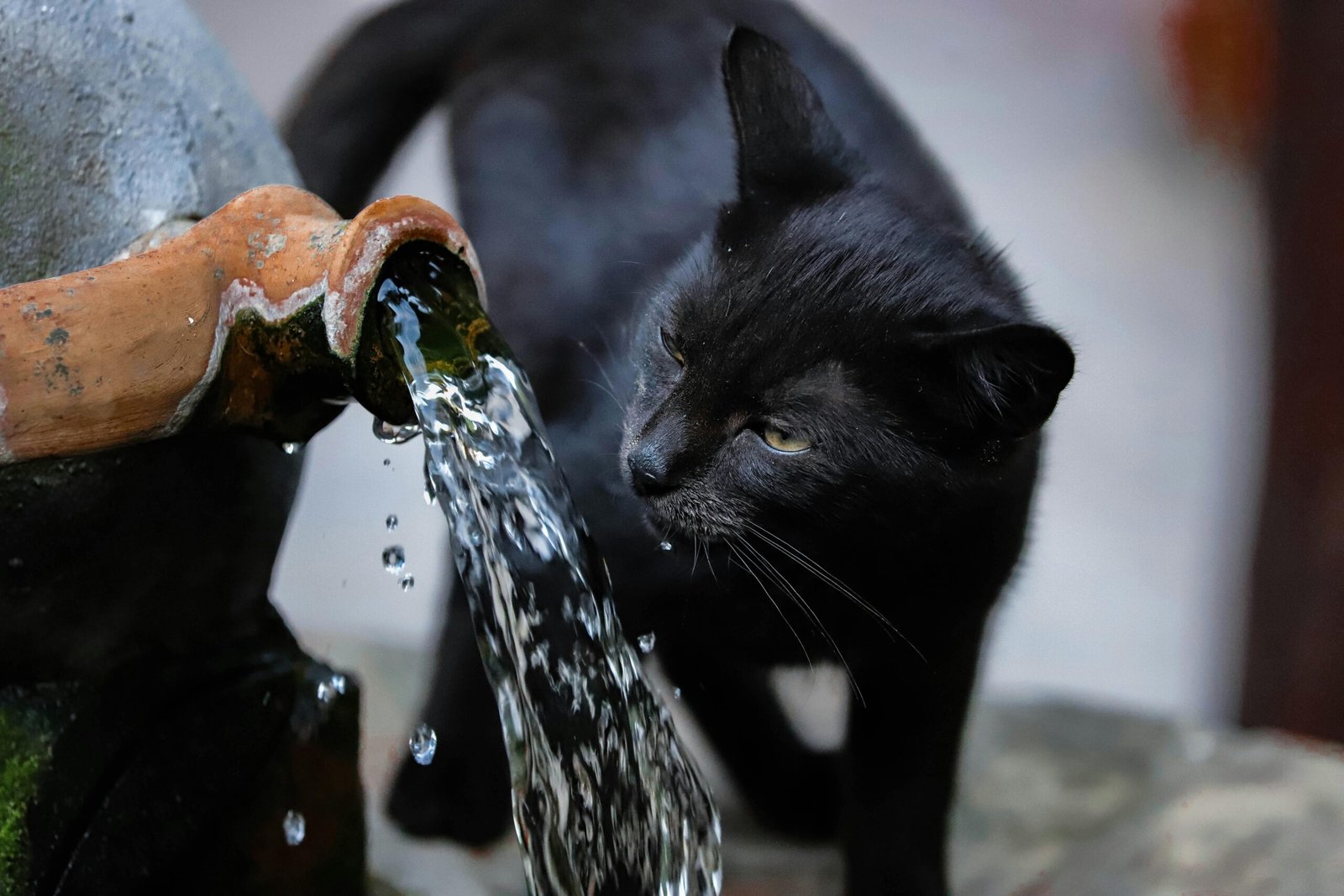
Your cat walks past her water bowl. She sniffs it, turns away, and walks off. Sound familiar? If you’ve ever watched your cat ignore still water while gulping from a running tap the second you turn it on, there’s a very good reason for that — and it has everything to do with their wild instincts. That’s exactly why finding the best cat water fountain UK owners trust has become so important.
Cat water fountains have quietly become one of the most talked-about products in the UK pet world right now. From TikTok videos racking up millions of views to vets actively recommending them in consultations, there’s a strong case for why a cat water fountain could be one of the best investments you make for your cat’s long-term health.
In this guide, we’re breaking down exactly what a cat water fountain is, why it’s trending across the UK in 2026, and how to choose the best one for your feline friend.
Why Cats Struggle to Drink Enough Water
Here’s something many cat owners don’t know: cats evolved as desert animals. Their natural prey — mice and small birds — provided most of the moisture they needed. This means cats have a naturally low thirst drive compared to dogs. They simply don’t feel thirsty the same way we do.
The problem is that modern cats, especially those on a dry kibble diet, need to drink a significant amount of water to compensate. When they don’t, the consequences can be serious. Chronic dehydration in cats is closely linked to urinary tract infections, bladder stones, and kidney disease — one of the leading causes of death in older cats in the UK.
According to veterinary advice widely shared in the UK, cats should ideally drink around 50ml of water per kilogram of body weight each day. A 4kg cat needs roughly 200ml of water daily. In reality, many cats drinking from a static bowl drink far less than this.
What Is a Cat Water Fountain?
A cat water fountain is an electrically powered drinking station that keeps water moving in a continuous flow or gentle stream. Most modern cat water fountains also include a filtration system — usually activated carbon and foam filters — that remove impurities, hair, and food particles from the water.
They come in a variety of materials, with stainless steel and BPA-free plastic being the most popular options in the UK. Capacities typically range from 1.5 litres to 3 litres, making them suitable for single-cat and multi-cat households alike.
How Does a Cat Water Fountain Work?
Most cat water fountains work through a small submersible pump that sits at the base of the unit. The pump draws water up through a filter before sending it cascading over a ramp or out through a spout. The constant movement oxygenates the water, keeping it fresher for longer and making it far more appealing to your cat’s senses.
Why Cat Water Fountains Are Trending in the UK Right Now
Cat water fountains are not a new invention, but their popularity has surged significantly in 2026. There are several reasons for this.
TikTok and social media have played a huge role. Videos showing cats drinking enthusiastically from fountains — while ignoring their water bowls entirely — have resonated with millions of cat owners who instantly recognise the behaviour. Creators like @thecatterycc have built large UK followings by championing cat hydration, and the comment sections are full of people saying “I need this for my cat.”
The pet wellness movement is also driving demand. UK cat owners are increasingly treating their pets as family members and investing in preventive health rather than waiting for problems to develop. A cat water fountain is seen as a proactive, affordable way to support kidney and urinary health — and that message is landing.
Vet recommendations have added credibility. As awareness of feline kidney disease has grown, more UK vets are actively recommending cat water fountains during routine consultations — particularly for cats on dry food diets or those with a history of urinary issues.
On Amazon UK, searches for “cat water fountain” consistently return over 750 products, with top-selling stainless steel models regularly landing in the bestseller lists for pet feeding and watering supplies. The market is booming, and cat owners across Britain are taking notice.
The Real Benefits of a Cat Water Fountain
1. Encourages More Drinking
The most immediate benefit is simple: cats drink more. The movement and sound of flowing water triggers a cat’s instinct to drink from a running source — something deeply wired into their DNA from thousands of years of evolution. Many cat owners report a noticeable difference in their cat’s water intake within days of introducing a fountain.
2. Supports Kidney Health
Adequate hydration is one of the most powerful things you can do to protect your cat’s kidneys. When cats drink more water, their urine becomes more dilute, which reduces the concentration of minerals that can form painful crystals and stones. This is especially important for cats over seven years old, who are statistically more at risk of chronic kidney disease.
3. Reduces Urinary Tract Infections
Feline Lower Urinary Tract Disease (FLUTD) is surprisingly common in UK cats. Dehydration is a known contributing factor. By keeping your cat well-hydrated through a fountain, you’re actively reducing their risk of painful UTIs and the expensive vet bills that often follow.
4. Filtered, Fresher Water
Cat water fountains don’t just keep water moving — they filter it too. Most models use a combination of activated carbon and mechanical foam filters to remove chlorine, heavy metals, hair, and debris. The result is cleaner, better-tasting water that your cat will actually want to drink.
5. Less Maintenance Than You’d Think
Many cat owners assume a fountain will be high maintenance. In practice, most models only need a full clean once a week and a filter change every two to four weeks. That’s a small time commitment for something that could add years to your cat’s life.
Cat Water Fountain vs. Traditional Water Bowl: Is There Really a Difference?
If your cat is happy with a bowl, you might be wondering whether a fountain is really necessary. The honest answer is: it depends on your cat — but the evidence strongly favours fountains for most cats.
Still water in a bowl can become stale quite quickly, especially in warmer rooms. It also lacks the sensory appeal of moving water. Cats have sensitive whiskers that can be irritated by narrow bowls (a condition known as whisker fatigue), and many prefer to drink from a source where they can see the water moving clearly.
A fountain solves all of these problems simultaneously. It keeps water oxygenated and fresh, provides constant movement, and often comes in wide, shallow designs that are far more comfortable for your cat to drink from.
The bottom line? A fountain isn’t just a nice gadget. For many cats, it’s the difference between drinking barely enough water and staying properly hydrated every single day.
How to Choose the Best Cat Water Fountain in the UK: A Buying Guide
With so many options available, choosing the right cat water fountain can feel overwhelming. Here’s what to look for.
Material: Stainless Steel vs. Plastic
Stainless steel fountains are the preferred choice for health-conscious cat owners. They’re easier to clean thoroughly, don’t harbour bacteria in scratches the way plastic does, and are far more durable. If your budget allows, a stainless steel model is almost always the better long-term investment. That said, BPA-free plastic fountains from reputable brands are also safe and come at a lower price point.
Capacity
For a single cat, a 1.5–2 litre fountain is usually sufficient. If you have two or more cats, look for something in the 2.5–3 litre range to ensure the water level doesn’t drop too low between refills.
Noise Level
Some cats — and their owners — are sensitive to sound. Look for fountains described as “ultra-quiet” or with noise ratings below 30dB. Most quality fountains run almost silently when the water level is maintained properly.
Filter Quality and Running Costs
Check how frequently the filters need replacing and what the replacement cost is. Some brands offer subscription filter packs, which can work out more economical over time. Avoid any fountain where replacement filters are hard to source — you don’t want to be stuck with a unit you can’t maintain.
Ease of Cleaning
Look for fountains with as few small, fiddly parts as possible. Models that are dishwasher-safe are ideal. The easier a fountain is to clean, the more consistently you’ll actually clean it — which matters enormously for your cat’s health.
Wireless vs. Plug-In
Most cat water fountains plug into the mains, which is perfectly fine for most homes. However, wireless (battery-operated or rechargeable) models are increasingly available and are a great option if you want flexibility in where you place the fountain.
Real-Life Usage: What Cat Owners Are Saying
The reviews speak for themselves. Cat owners across the UK consistently report the same things after introducing a water fountain: their cats immediately showed more interest in drinking, they noticed changes in their cat’s energy levels and coat condition, and they felt far more confident about their cat’s hydration.
One cat mum from Manchester shared that her 10-year-old cat — previously diagnosed with early-stage kidney disease — began drinking noticeably more water within a week of getting a fountain. Her vet was pleased with the improvement at the next check-up. Stories like this are increasingly common, and they’re part of why cat water fountains have become such a trusted recommendation in the UK cat owner community.
Cats with a known preference for running water — those who beg at the tap or knock over their bowl to watch the water move — almost universally take to fountains immediately. Even cats who are initially cautious tend to come around within a few days once the fountain becomes a familiar part of their environment.
Frequently Asked Questions About Cat Water Fountains
Are cat water fountains safe for cats?
Yes, cat water fountains are completely safe for cats when used and maintained correctly. Always choose a fountain made from food-grade stainless steel or BPA-free plastic, and clean it regularly to prevent bacterial build-up. Replace filters as recommended by the manufacturer — usually every two to four weeks.
Do vets recommend cat water fountains?
Many UK vets do recommend cat water fountains, particularly for cats prone to urinary issues or kidney disease. The link between increased water intake and improved kidney health is well-established, and a fountain is one of the easiest ways to encourage cats to drink more. Always speak to your own vet if you have concerns about your cat’s health or hydration levels.
How often should I clean a cat water fountain?
Ideally, you should rinse and refill the fountain every two to three days, with a full disassembly and clean once a week. Filters should be replaced every two to four weeks depending on the model and how many cats are using it. Regular cleaning prevents slime, bacteria, and limescale build-up, which is especially important in hard water areas common across much of the UK.
My cat ignores the fountain — what should I do?
Some cats take a little time to adjust to new objects in their environment. Try placing the fountain near their existing water bowl at first, then gradually moving it to where you want it. You can also try turning off the pump initially so it looks more like a familiar bowl, then introducing the flow after a day or two. Placing the fountain away from their food bowl can also help, as cats instinctively prefer to drink away from their eating area.
What is the best cat water fountain to buy in the UK?
Some of the most consistently well-reviewed cat water fountains in the UK include stainless steel models from brands such as PETKIT, Drinkwell, Catit, and Pioneer Pet. When choosing, prioritise material quality, ease of cleaning, filter availability, and noise level. Your best option will depend on your cat’s preferences and your household setup.
The Bottom Line: Is a Cat Water Fountain Worth It?
Absolutely. A cat water fountain is one of those products that seems like a luxury until you understand the science behind it — and then it seems like an essential. For a relatively small outlay (most quality UK models range from £20 to £90), you’re investing in your cat’s hydration, kidney health, and overall wellbeing.
Whether you have a young kitten, an active adult cat, or a senior feline who’s at higher risk of kidney issues, a cat water fountain is one of the simplest, most effective improvements you can make to their daily life.
If your cat currently drinks from a tap, knocks over their bowl, or simply doesn’t seem to drink very much — a fountain isn’t just a nice idea. It might be exactly what they’ve been waiting for.
Want to know more about keeping your cat happy and healthy? Explore our other guides on cat nutrition, enrichment, and everything in between right here on Cuteness of Cats.
1 Comment
[…] to explore more ways to care for your cat naturally? Check out our guide to the best cat water fountains in the UK and discover how small changes can make a big difference to your cat’s health and happiness […]