Looking for the best cat enrichment ideas for indoor cats in the UK? You are not alone. With over 12 million cats now living in British homes, and a growing number of owners choosing to keep their felines indoors, enrichment has become one of the most important topics in modern cat care. As a result, indoor cats face a unique challenge — they rely entirely on us to provide the stimulation, exercise, and mental engagement that outdoor cats get naturally.
Without proper enrichment, indoor cats can develop behavioural problems such as over-grooming, aggression, excessive meowing, and destructive scratching. However, the good news is that with a few thoughtful changes to your home and daily routine, you can transform your indoor space into a feline paradise that keeps your cat healthy, happy, and mentally sharp.
Therefore, in this guide, we share 15 expert-backed cat enrichment ideas for indoor cats that are practical, affordable, and designed specifically with UK cat owners in mind.
Why Cat Enrichment Ideas for Indoor Cats Matter So Much
Cats are natural hunters. In the wild, they spend a significant portion of their day stalking, chasing, and catching prey. When we bring cats indoors, we remove those opportunities entirely. Consequently, this is where enrichment steps in — it replaces what nature provides and keeps your cat’s body and brain active.
According to the RSPCA, indoor cats need dedicated environmental enrichment to prevent stress-related health issues. In addition, boredom in cats is not just an inconvenience; it can lead to obesity, urinary problems, and even depression. Enrichment is therefore not a luxury — it is a necessity for responsible cat ownership.
The Cats Protection CATS Report 2025 highlighted that younger UK cat owners are increasingly aware of enrichment needs, yet many still struggle with practical ideas to implement at home. That is exactly what this article aims to solve.
Cat Enrichment Ideas for Indoor Cats: Physical Stimulation
1. Create Vertical Space with Cat Trees and Shelves
Cats love to climb. It is one of their most instinctive behaviours. Providing vertical space through cat trees, wall-mounted shelves, or climbing towers gives your indoor cat the opportunity to survey their territory from a safe height. This is especially important in smaller UK flats where floor space may be limited.
Furthermore, a multi-level cat tree with scratching posts, hammocks, and perches combines several enrichment needs in one piece of furniture. It encourages climbing, scratching, resting, and even play — all essential activities for a happy indoor cat.
Tip: Place your cat tree near a window so your cat can watch birds and outdoor activity. This simple step adds hours of visual enrichment each day. Browse our range of cat trees and furniture here.
2. Invest in Interactive Wand Toys
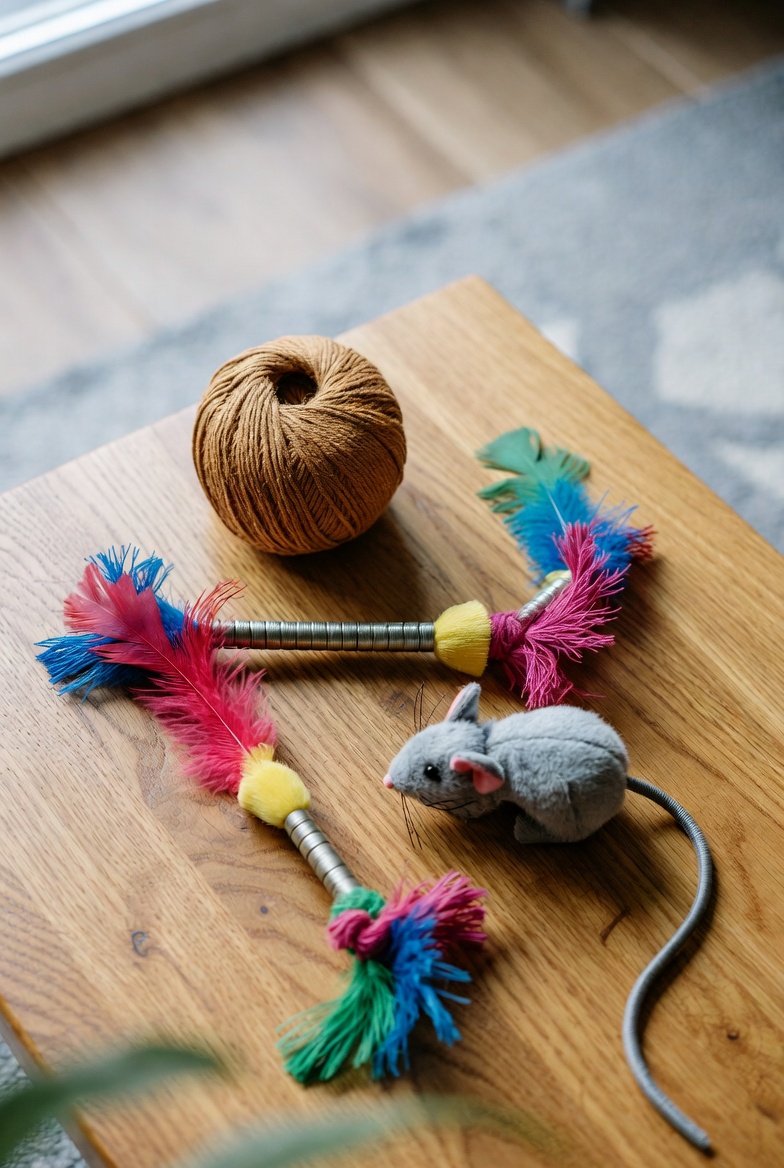
Interactive wand toys are one of the most effective cat enrichment tools available. They mimic the movement of prey, triggering your cat’s natural hunting instincts. A daily play session of just 10 to 15 minutes with a feather wand or fishing rod toy can significantly reduce stress and prevent weight gain.
Moreover, the key is to vary your movements — drag the toy along the floor, flick it through the air, and let your cat “catch” it occasionally to build confidence. This kind of structured play strengthens the bond between you and your cat while providing essential physical exercise.
3. Set Up Scratching Stations Around the Home
Scratching is a vital part of cat enrichment. It helps cats maintain their claws, stretch their muscles, and mark their territory. For indoor cats who do not have access to trees and fences, providing dedicated scratching stations is essential.
Instead, offer a variety of scratching surfaces — vertical posts, horizontal boards, and angled scratchers made from sisal, cardboard, or carpet. Place them near your cat’s favourite resting spots and by doorways, as cats naturally scratch after waking and when entering rooms. Explore our scratching post collection.
4. Introduce a Cat Exercise Wheel
Cat exercise wheels have become increasingly popular in the UK, and for good reason. They allow active breeds and energetic indoor cats to run freely, burning off excess energy that might otherwise lead to destructive behaviour. While not every cat takes to a wheel immediately, many can be trained gradually using treats and encouragement.
Cat Enrichment Ideas for Indoor Cats: Mental Stimulation
5. Use Puzzle Feeders to Slow Down Mealtimes
Puzzle feeders are one of the simplest yet most effective cat enrichment ideas for indoor cats. Instead of placing food in a standard bowl, puzzle feeders require your cat to work for their meal. This mimics the natural foraging behaviour that cats would use outdoors and provides excellent mental stimulation.
For instance, start with easy puzzles and gradually increase the difficulty as your cat builds confidence. You can even create DIY puzzle feeders using cardboard boxes, egg cartons, or muffin tins with treats hidden inside. Shop our feeding and enrichment supplies.
6. Rotate Toys Regularly
One of the most common mistakes cat owners make is leaving all toys out at once. Cats, much like children, lose interest in items that are always available. Instead, keep a selection of toys in rotation — offer two or three at a time, and swap them out every few days.
As a consequence, this simple strategy makes old toys feel new again and keeps your cat’s curiosity alive. It costs nothing extra but delivers significantly better enrichment results.
7. Grow Cat-Safe Indoor Plants and Cat Grass
Bringing a touch of the outdoors inside is a wonderful way to enrich your cat’s environment. Cat grass, catnip, valerian, and silver vine are all safe options that many cats find irresistible. Cat grass also aids digestion and provides a natural source of fibre.
On the other hand, be cautious with houseplants. Lilies, poinsettias, and several other common UK houseplants are toxic to cats. Always check the Cats Protection list of poisonous plants before introducing anything new to your home.
8. Try Clicker Training
Many people assume training is just for dogs, but cats are highly intelligent and respond brilliantly to clicker training. Using a small clicker and high-value treats, you can teach your cat to sit, shake paws, spin, or even navigate a simple agility course.
Additionally, clicker training sessions provide exceptional mental enrichment and are a fantastic way to strengthen the bond between cat and owner. Keep sessions short — around five minutes — and always end on a positive note.
Cat Enrichment Ideas for Indoor Cats: Sensory Stimulation
9. Set Up a Window Perch for Bird Watching
A window perch or shelf gives your indoor cat a front-row seat to the outside world. Watching birds, squirrels, and passing pedestrians provides hours of natural entertainment and mental stimulation. Many UK cat owners report that their cats spend more time at their window perch than with any toy.
Similarly, for an added enrichment bonus, place a bird feeder outside the window. This creates a form of “cat television” that is endlessly engaging. Just make sure your window is securely closed or fitted with a safety screen.
10. Introduce New Scents
Cats experience the world primarily through their sense of smell. Introducing new, safe scents into your home can provide excellent sensory enrichment. Sprinkle dried catnip on a blanket, offer a silver vine stick, or bring in a small handful of leaves from your garden for your cat to investigate.
Likewise, you can also try leaving a cardboard box that has been outside in the hallway. The unfamiliar outdoor scents will captivate your cat’s attention and trigger investigative behaviour.
11. Play Cat-Specific Audio and Video Content
It may sound surprising, but many cats genuinely enjoy watching videos designed for felines. Bird and fish videos on YouTube can hold a cat’s attention for extended periods. Some owners also play nature sounds or specially composed cat music to create a calming atmosphere.
Nevertheless, while screen time should not replace interactive play, it can be a helpful supplementary enrichment tool, particularly when you need to leave the house for a few hours.
Cat Enrichment Ideas for Indoor Cats: Environmental Design
12. Create Hiding Spots and Tunnels
Every indoor cat needs safe hiding places where they can retreat, rest, and feel secure. Cat tunnels, covered beds, cardboard boxes, and igloo-style caves all serve this purpose beautifully. Hiding is a natural stress-relief behaviour for cats, and providing these spaces shows you understand your cat’s emotional needs.
In fact, tunnels also double as play spaces, encouraging your cat to run, pounce, and ambush toys or even another household cat. They are inexpensive, easy to set up, and most cats take to them immediately. View our cat beds and hideaway range.
13. Rearrange Furniture Periodically
This is a free enrichment trick that many cat owners overlook. Cats are naturally curious, and even small changes to their environment stimulate investigation and exploration. Moving a bookcase, adding a new blanket to the sofa, or placing a chair in a different position creates a fresh environment to explore.
Of course, you do not need to redecorate your entire home — subtle shifts are enough to pique your cat’s interest and provide a welcome change of scenery.
14. Offer Multiple Litter Tray Options
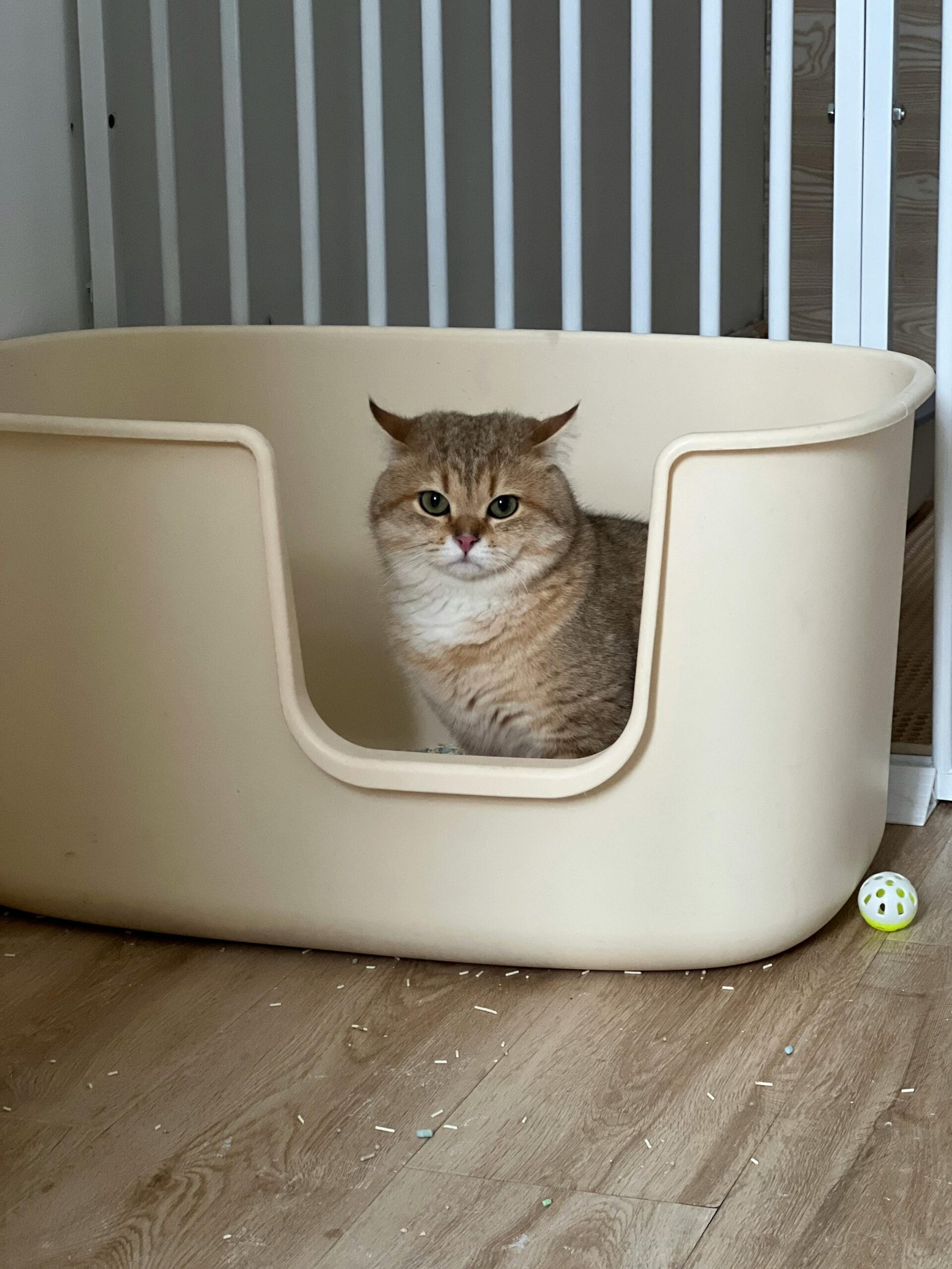
While it might not seem like a traditional enrichment idea, litter tray management plays a surprisingly important role in your cat’s overall wellbeing. The general rule is one tray per cat plus one extra, placed in quiet and accessible locations. A clean, well-maintained litter tray reduces stress and supports positive toilet habits.
Also, consider trying different litter types to see which your cat prefers. Many UK cat owners are now switching to eco-friendly options like tofu cat litter, which is biodegradable and produces less dust than traditional clay-based alternatives. Browse our litter collection here.
15. Establish a Consistent Play and Feeding Routine
Cats thrive on routine. Establishing consistent times for play, feeding, and grooming gives your indoor cat a sense of predictability and security. Try scheduling a play session before the evening meal — this mirrors the natural hunt-catch-eat-groom-sleep cycle and helps your cat settle down for the night.
Above all, a structured routine does not need to be rigid, but having a general framework reduces anxiety and ensures your cat receives regular enrichment throughout the day.
How to Tell If Your Indoor Cat Needs More Enrichment
Not sure whether your cat is getting enough stimulation? Here are some common signs that your indoor cat may need more enrichment in their daily life:
- Over-grooming or pulling out fur — this is often a sign of stress or boredom in indoor cats and should not be ignored.
- Excessive vocalisation — persistent meowing or yowling, especially at night, can indicate that your cat is under-stimulated during the day.
- Destructive behaviour — scratching furniture, knocking items off surfaces, or chewing household objects may signal a need for appropriate outlets.
- Weight gain — indoor cats who do not get enough physical activity are at higher risk of obesity, which can lead to diabetes and joint problems.
- Aggression towards other pets or people — frustration from lack of stimulation can sometimes manifest as redirected aggression.
- Lethargy and withdrawal — a cat who sleeps excessively and shows no interest in their surroundings may be experiencing boredom-related depression.
In summary, if you recognise any of these signs, gradually introducing the enrichment ideas above can make a meaningful difference. However, always consult your veterinarian first to rule out any underlying health conditions.
Frequently Asked Questions About Cat Enrichment
What is cat enrichment and why is it important?
Cat enrichment refers to activities, objects, and environmental changes that stimulate a cat’s natural behaviours such as hunting, climbing, scratching, and exploring. It is essential for indoor cats because it prevents boredom, reduces stress, and supports both physical and mental health. Without enrichment, indoor cats are more likely to develop behavioural and health problems.
How much playtime does an indoor cat need each day?
Most veterinary experts recommend at least two interactive play sessions per day, each lasting 10 to 15 minutes. However, younger cats and active breeds may need more. The key is consistency — regular short sessions are more effective than occasional long ones. Pay attention to your cat’s energy levels and adjust accordingly.
Are puzzle feeders suitable for all cats?
Yes, puzzle feeders can benefit cats of all ages and activity levels. However, it is important to start with easy designs and gradually increase the difficulty. Senior cats or those with mobility issues may need simpler puzzles placed at ground level. The goal is to challenge your cat without causing frustration.
Can indoor cats be happy without going outside?
Absolutely. With the right enrichment, indoor cats can live incredibly happy and fulfilled lives. In fact, indoor cats in the UK tend to live longer on average because they avoid risks such as traffic, predators, and disease. The key is providing a stimulating environment that meets all of their natural needs.
What are the best toys for keeping indoor cats entertained?
The best toys for indoor cats include feather wand toys, puzzle feeders, turntable track toys, catnip-filled items, and automated motion toys. Variety is important — rotate toys regularly to maintain your cat’s interest. Interactive toys that you use together tend to provide better enrichment than solo toys left out permanently. Explore our full range of cat toys.
Final Thoughts: Enrichment Is the Key to a Happy Indoor Cat
Providing enrichment for your indoor cat is one of the most rewarding things you can do as a pet parent. It does not require a huge budget or a large home — it simply requires thoughtfulness, consistency, and a willingness to see the world from your cat’s perspective.
Start with one or two ideas from this list and build from there. Every small change you make contributes to a richer, more stimulating environment for your feline companion. Whether it is a new scratching post, a puzzle feeder, or simply moving a chair to create a new vantage point, your cat will thank you for it.
At Cuteness of Cats, we are passionate about helping UK cat owners give their indoor cats the best possible life. From interactive toys and cosy beds to scratching posts and feeding essentials, our carefully selected range is designed to enrich your cat’s daily life. Take a moment to explore our collections and find the perfect enrichment products for your furry friend.