If you’ve noticed your cat’s water bowl looking suspiciously full at the end of the day, you’re not alone. Many UK cat owners worry when they see their feline friend ignoring fresh water — and rightly so. Knowing why your cat is not drinking water is essential because dehydration in cats can lead to serious health problems, from urinary tract issues to kidney disease.
The good news? In most cases, the reasons behind a cat not drinking water are simple to fix once you understand what’s going on. In this complete guide, we’ll explore the most common causes, the warning signs to watch for, and the practical, vet-approved solutions that actually encourage cats to drink more.
How Much Water Should a Cat Drink Each Day?
Before we dive into the reasons your cat may not be drinking, it helps to know what “normal” looks like. As a general rule, a healthy cat needs roughly 50–60 ml of water per kilogram of body weight per day. So a 4 kg adult cat needs around 200–240 ml daily.
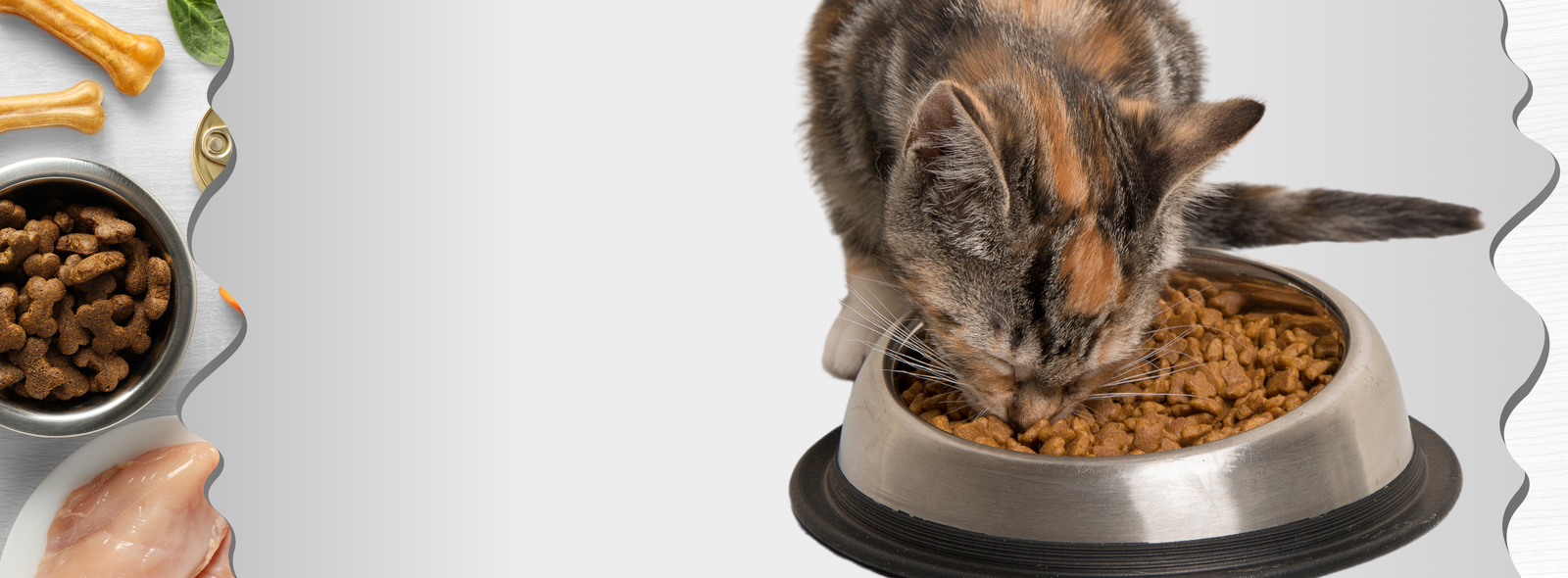
However, this total includes moisture from food. Cats on a wet food diet often get more than half of their daily hydration from their meals, which is why dry-food-only cats need to drink noticeably more from their bowl.
Why Is My Cat Not Drinking Water? The 8 Most Common Causes
Cats are notoriously fussy creatures, and their relationship with water is no exception. Here are the most likely reasons your cat is turning up its whiskers at the water bowl.
1. They Don’t Like the Bowl
Plastic bowls can hold smells, harbour bacteria, and cause “whisker fatigue” if they’re too narrow. Many cats prefer wide, shallow ceramic or stainless steel bowls that don’t squash their sensitive whiskers.
2. The Water Isn’t Fresh Enough
In the wild, cats avoid stagnant water because it’s often unsafe to drink. Tap water that’s been sitting out for hours can taste stale or pick up dust and food particles, putting your cat off completely.
3. The Bowl Is Too Close to Their Food or Litter Tray
Cats instinctively separate their water source from food and toileting areas. Placing the water bowl right next to the kibble or, worse, near the litter tray, can put them off drinking altogether. A tray that is not cleaned often enough makes this worse, so it is worth checking how often you should be changing the cat litter too.
4. They Prefer Running Water
You may have caught your cat sipping from a dripping tap or even the shower floor. That’s because moving water is fresher, more oxygenated, and far more interesting to a curious feline.
5. They’re Eating Mostly Wet Food
If your cat eats high-moisture wet food, they may simply not need much extra water. This is usually nothing to worry about — but it’s still worth offering a clean bowl daily.
6. Stress or Environmental Changes
New furniture, a house move, visitors, building work, or even a new pet can stress your cat enough to alter their drinking habits. Cats are creatures of routine, and disruption can make them avoid the bowl.
7. Dental or Mouth Pain
Sore gums, broken teeth, or mouth ulcers can make drinking painful. If your cat is also avoiding food, drooling, or pawing at their face, dental issues should be ruled out by your vet.
8. Underlying Illness
Conditions like nausea, infections, or kidney disease can affect a cat’s thirst. Confusingly, kidney disease can sometimes increase thirst rather than reduce it, so any sudden change in drinking habits warrants a vet check.
Warning Signs of Dehydration in Cats
If your cat is not drinking water, dehydration can creep in quickly. Watch for these red flags:
- Lethargy or unusual quietness
- Sunken-looking eyes
- Dry, tacky gums instead of moist pink ones
- Loss of skin elasticity (gently lift the skin between the shoulder blades — it should snap back instantly)
- Reduced appetite
- Constipation or hard, dry stools
- Strong-smelling, dark, concentrated urine
- Panting or rapid breathing in warm weather
If you spot two or more of these signs, contact your vet promptly. Severe dehydration in cats is a genuine emergency.
How to Get Your Cat to Drink More Water
Now for the fixes. The good news is that small environmental tweaks can make a huge difference. Here’s how to encourage healthy drinking habits.
Switch to a Cat Water Fountain
This is hands-down the most effective change you can make. A water fountain provides constantly circulating, filtered water that mimics the natural streams cats prefer. Many UK cat owners report their cats drink two or three times more once a fountain is introduced. For a complete buying guide, take a look at our pick of the best cat water fountain in the UK 2026.
Offer Multiple Water Stations
Place several water bowls around your home — one upstairs, one downstairs, and one well away from the litter tray. The more easily available the water, the more often your cat will sip throughout the day.
Upgrade the Bowl
Choose a wide, shallow bowl in ceramic, glass, or stainless steel. Wash it daily with warm soapy water to remove biofilm and replace water at least once a day, twice in summer.
Add Wet Food to the Diet
Even one wet food meal a day can dramatically improve hydration. You can also mix a tablespoon of warm water or unsalted bone broth into wet food to boost moisture content further.
Try Ice Cubes or Flavoured Water
Some cats love chasing an ice cube around their bowl. You can also try adding a splash of tuna water (in spring water, not brine) to make plain water more enticing.
Keep the Area Calm
Cats prefer drinking in quiet, low-traffic spots. Move bowls away from noisy washing machines, busy doorways, and the food bowl itself. A calm, enriched environment also reduces stress-related drinking issues — see our guide to cat enrichment ideas for indoor cats for practical tips.
When to Call the Vet
If your cat is not drinking water for more than 24 hours, or you’re seeing signs of dehydration, illness, or sudden behaviour changes, don’t wait. Cats can deteriorate quickly without water, especially kittens, seniors, and cats with existing health conditions.
Book a vet appointment urgently if you notice:
- Vomiting or diarrhoea alongside reduced drinking
- A sudden, dramatic increase or decrease in thirst
- Weight loss or refusing food for more than a day
- Hiding, hunched posture, or vocalising in pain
- Difficulty urinating — this is an emergency in male cats
Prevention: Building Healthy Hydration Habits
The best long-term strategy is to make hydration easy, appealing, and part of your cat’s daily routine. A combination of fresh running water, a high-moisture diet, and a calm environment is the gold standard. You’ll also want to keep an eye on bowl placement, especially as your cat ages or your household changes.
If you’d like to explore more practical kit for daily care — from feeders and fountains to cosy beds and grooming tools — browse our curated UK cat shop or our grooming kit collection for wellness essentials your cat will actually use.
Frequently Asked Questions
1. How long can a cat go without drinking water?
A cat can survive around 2–3 days without water, but serious dehydration begins within 24 hours. If your cat hasn’t drunk anything for a full day and isn’t eating wet food, contact your vet.
2. Is it normal for cats not to drink much water?
Cats evolved from desert-dwelling ancestors and naturally have a low thirst drive. If your cat eats wet food, they may drink very little — but you should still see them sip occasionally. A complete refusal to drink is not normal.
3. Do cat water fountains really work?
Yes. The vast majority of cats drink significantly more from a fountain because the moving, filtered water is fresher and more appealing. Fountains are particularly recommended for cats prone to urinary or kidney issues.
4. Can I give my cat milk instead of water?
No. Most adult cats are lactose intolerant, and cow’s milk can cause stomach upset and diarrhoea. Specialist cat milk is occasional treat material only — it should never replace fresh water.
5. Should I worry if my cat suddenly drinks a lot more water?
Yes — a sudden increase in thirst can be a sign of diabetes, hyperthyroidism, or kidney disease. Any noticeable change in drinking habits, up or down, is worth discussing with your vet. If a vet trip is on the cards, our guide on how to get your cat into a carrier without the stress can make the journey far calmer.
Final Thoughts
If your cat is not drinking water, don’t panic — but don’t ignore it either. Most fussy drinkers can be coaxed back to healthy habits with a few thoughtful changes: a cleaner bowl, a quieter spot, more wet food, and ideally a gently flowing fountain. These small upgrades can dramatically reduce the risk of urinary and kidney problems down the line.
Ready to give your cat a hydration upgrade? Explore our trusted picks of fountains, bowls, and feeding accessories in the Cuteness of Cats shop — your feline’s whiskers will thank you.