
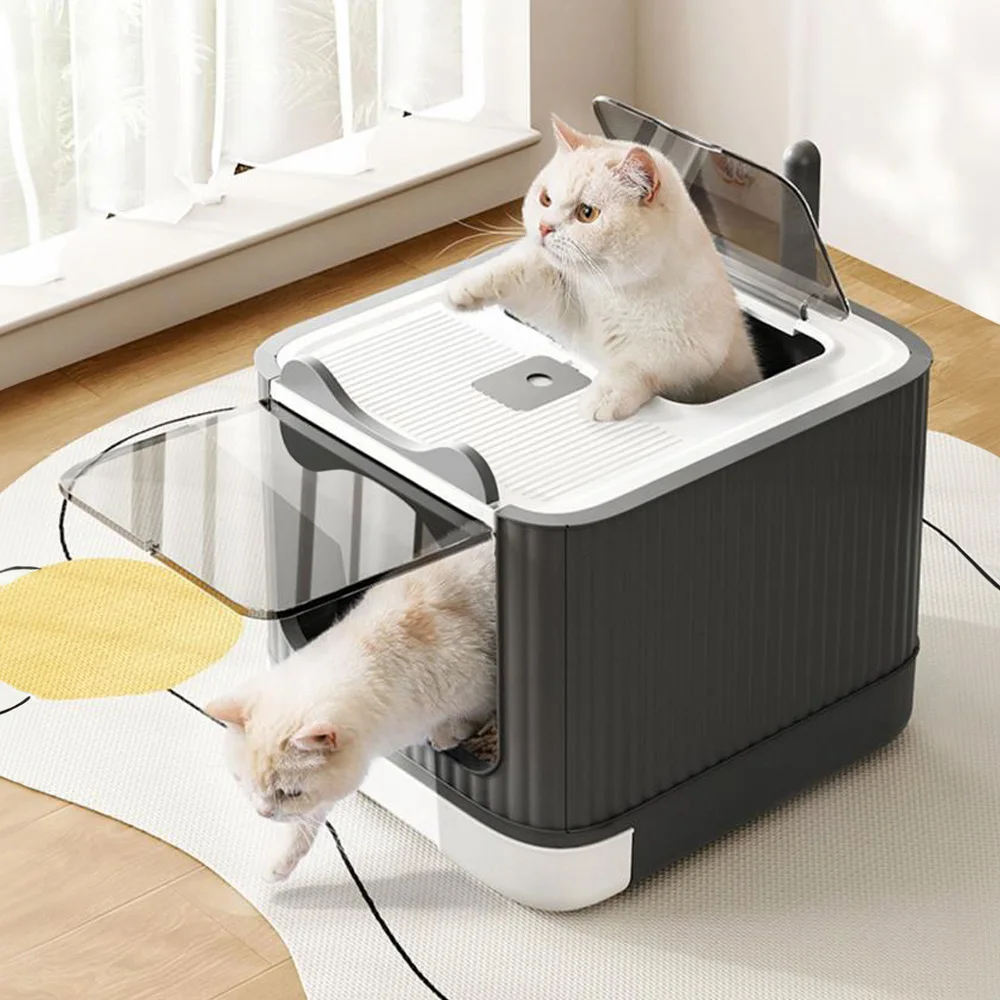
Covered litter trays solve splash, smell and tracking, but only if you pick the right one. Entry styles, sizing, odour control and how to switch your cat over.
How Often to Change Cat Litter? A Complete UK Guide for Every Litter Type
A clear, charity-backed routine for UK cat owners: how often to scoop, when to do a full change for each litter type, how many trays you actually need, and the litter tray warning signs that mean a call to the vet.

How to Get a Cat into a Carrier Without the Stress: A Calm, Step-by-Step UK Guide
Struggling to get your cat into a carrier? This calm, step-by-step UK guide covers carrier training, an emergency method, the best carrier types, and vet-trip tips to reduce stress for you and your cat.
How Often Should You Play With Your Cat? A Complete Daily Guide for Happy Indoor Cats
If you have ever asked yourself how often should you play with your cat, you are asking exactly the right question. Play is not a luxury or an optional extra for indoor cats – it is a core part of keeping them physically healthy, mentally sharp and emotionally content. For cats living entirely indoors, structured daily play replaces the hunting, stalking and pouncing they would naturally do outdoors. This complete daily guide is written for UK cat owners, new cat parents, indoor cat owners and multi-cat households. Below you will find clear, expert-backed recommendations on how often to play with your cat, how long each session should last, how age changes the picture, and the simple mistakes that quietly make playtime less effective. By the end, you will have a practical routine you can start today. Quick answer: Most healthy adult indoor cats need two to three short play sessions per day, each lasting about 10 to 15 minutes, for a total of roughly 20 to 45 minutes of active play daily. Kittens and young cats often need more, while senior cats benefit from shorter, gentler sessions. Consistency matters more than any single long session. Why Play Is Essential for Cats Cats are obligate predators. Even the most pampered indoor cat carries the same hunting instincts as its wild ancestors, and those instincts need an outlet. When play is missing, that unspent energy usually turns into problems: overgrooming, night-time yowling, aggression, scratching furniture or general low mood. Daily play delivers several important benefits at once. It provides physical exercise that keeps weight healthy and joints mobile, which matters enormously given that obesity is one of the most common health issues in UK indoor cats (as highlighted by the PDSA). It offers mental stimulation that prevents the frustration and boredom described in our guide to why indoor cats get bored. And it strengthens the bond between you and your cat, building trust and reducing stress-related behaviours. Play also mimics the full hunting sequence – stare, stalk, chase, pounce, catch and “kill.” Allowing your cat to complete this sequence with a satisfying catch at the end is what leaves them calm and fulfilled rather than wound up. This is a key part of good cat enrichment. How Long Should You Play With Your Cat Each Day? As a general rule, aim for two to three play sessions a day of 10 to 15 minutes each. Shorter, frequent sessions suit a cat’s natural rhythm far better than one long marathon, because cats hunt in brief, intense bursts rather than sustained activity. Here is a simple reference table to help you plan the right amount of daily play for your cat. Cat type Sessions per day Minutes per session Total daily play Kitten (under 1 year) 4–6 short bursts 5–10 mins 30–60 mins Adult cat (1–7 years) 2–3 10–15 mins 20–45 mins Senior cat (7+ years) 2–3 5–10 mins 15–30 mins Multi-cat household 2–3 group + 1 solo each 10–15 mins Varies per cat Recommended daily play guidelines for indoor cats. Adjust to your individual cat’s energy and health. Watch your cat rather than the clock. A session is doing its job when your cat is engaged and moving; it is time to wind down when they start to slow, lie down, or lose interest. Always end on a successful “catch” so your cat feels rewarded. Does Age Change How Much Play a Cat Needs? Yes – a cat’s age has a big influence on how much, how often and how vigorously you should play. The type of play matters just as much as the amount. Here is how to adapt to each life stage. Kittens (under 1 year) Kittens are little bundles of energy with short attention spans. They benefit from frequent, short bursts of play – often four to six mini-sessions of five to ten minutes spread across the day. This is also when kittens learn bite inhibition, so always redirect claws and teeth onto toys rather than your hands. A cat tunnel and lightweight wand toys are ideal for their bursts of chasing and pouncing. Adult cats (1–7 years) Adult cats settle into a more predictable rhythm and thrive on consistency. Two to three focused sessions of 10 to 15 minutes usually keeps them fit and content. This is the stage where a reliable daily routine pays off most, keeping weight in check and preventing the boredom-driven behaviours common in indoor cats. Senior cats (7+ years) Older cats still love to play, but they need gentler, shorter sessions that respect stiffer joints and lower stamina. Keep toys low to the ground, avoid high jumps, and watch for signs of arthritis. Five to ten minutes, two or three times a day, keeps senior cats mentally engaged without overtaxing them. Slow, ground-level wand movements and soft puzzle feeders work beautifully here. Best Times of Day to Play With Your Cat Cats are crepuscular, meaning they are naturally most active at dawn and dusk. Timing play around these windows works with their instincts rather than against them. Try to avoid vigorous play right before bedtime for you, as it can leave an excitable cat wired when you want to wind down. Instead, schedule the last active session about an hour before you sleep, then finish with a meal. Signs Your Cat Needs More Mental Stimulation Cats rarely tell us in obvious ways that they are under-stimulated. Instead, boredom shows up through behaviour. Look out for these common warning signs: If you spot several of these signs, your cat is likely asking for more enrichment. Increasing daily play and rotating toys is usually the fastest fix. Our full guide to indoor cat boredom covers additional strategies in depth. Mistakes Many Cat Owners Make During Playtime Even loving, attentive owners can unintentionally make play less effective. Avoiding these common mistakes will instantly improve the quality of your sessions. The Best Toys for Daily Exercise The right toys make daily play easier, safer and far more
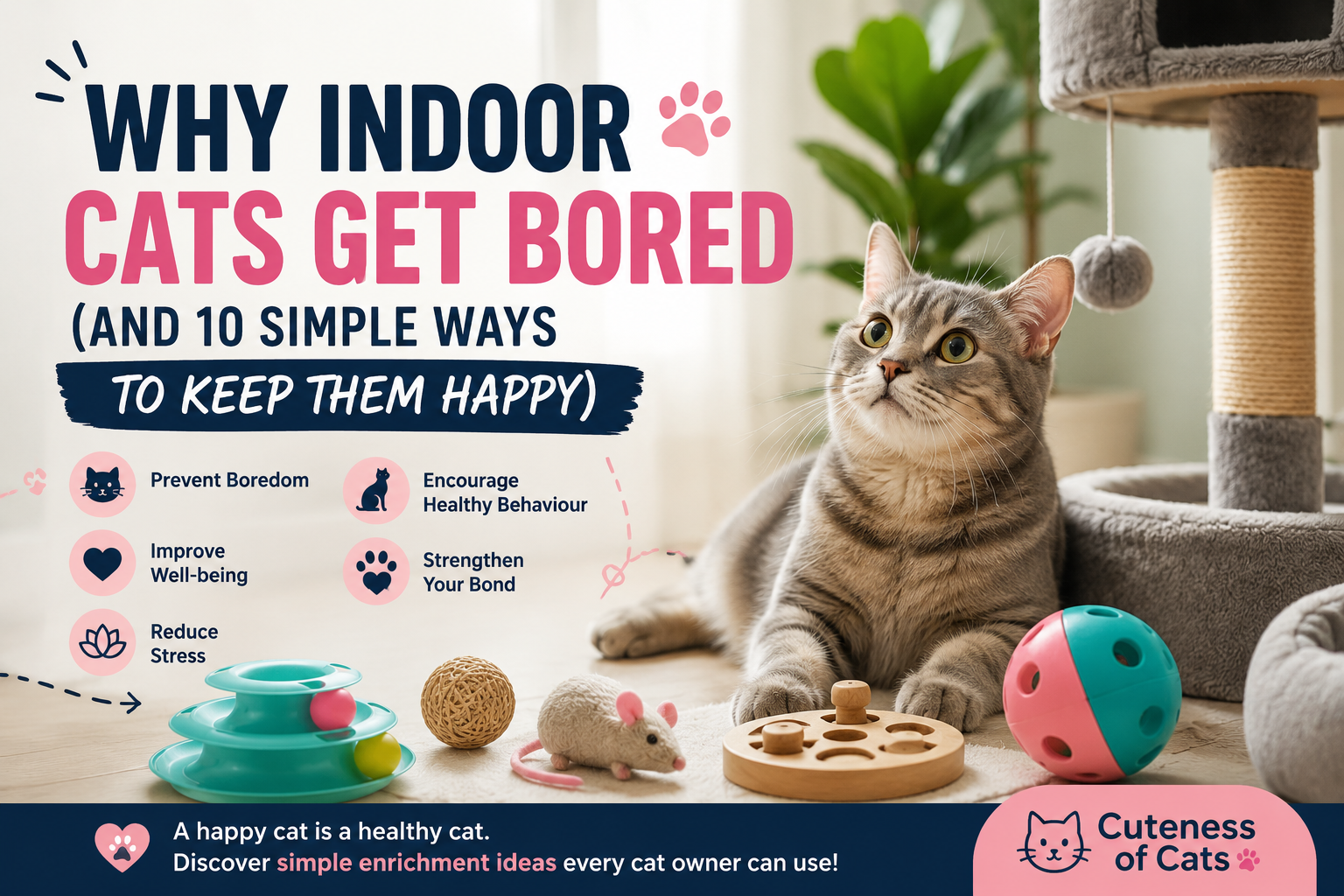
Why Indoor Cats Get Bored (And 10 Simple Ways to Keep Them Happy)
If you share your home with a cat, you have probably watched them stare longingly out of a window, dash madly around the living room at 3am, or sit and yowl at you for no obvious reason. Behind a lot of these moments sits a single, very common cause: boredom. Indoor cats in the UK live longer, safer lives than their roaming cousins, but four walls can become a little dull without the sights, smells and challenges of the great outdoors. The good news is that keeping an indoor cat mentally and physically satisfied is far easier than most owners think. In this guide we explain why indoor cats get bored, how to spot the warning signs, why it matters for their health, and ten simple, affordable ways to turn your home into a feline paradise. Whether you have a lively kitten or a laid-back senior, these ideas will help your cat feel happier, calmer and more content. Do Indoor Cats Get Bored? Yes, indoor cats absolutely get bored. Cats are intelligent, curious predators who are wired to hunt, climb, explore and patrol their territory for several hours each day. When a cat lives entirely indoors without enough stimulation, those natural instincts have nowhere to go, and boredom quickly sets in. In the wild, a cat might make dozens of small hunts in a single day, each one involving stalking, pouncing and problem-solving. A typical British living room offers none of that unless we deliberately recreate it. This is why enrichment matters so much. It is not a luxury or a treat; it is a core part of responsible indoor cat care that keeps your pet’s mind and body working the way nature intended. Signs Your Cat Is Bored A bored cat rarely sits quietly and tells you something is wrong. Instead, boredom usually shows up as changes in behaviour. The most common signs of a bored cat include: Excessive sleeping beyond the normal 12 to 16 hours, often out of sheer lack of anything better to do. Overgrooming that leads to bald patches, particularly on the belly and legs. Destructive scratching of sofas, carpets and wallpaper. Attention-seeking behaviour such as constant meowing, knocking objects off shelves or pestering you while you work. Overeating or fussiness around food, as eating becomes a form of entertainment. Aggression or sudden zoomies, where pent-up energy explodes in frantic bursts. Withdrawal and low mood, with your cat hiding away or seeming generally flat. If you recognise several of these behaviours, your cat is most likely under-stimulated rather than misbehaving. Some of these signs can also point to medical problems, so it is always worth a vet check if a behaviour appears suddenly or seems out of character. Why Boredom Can Affect Your Cat’s Health Boredom is more than an emotional issue. Over time, a lack of stimulation can have a real impact on your cat’s physical and mental wellbeing, which is why it should never be ignored. The biggest risk is weight gain. A bored, inactive cat burns very few calories, and obesity in cats is linked to diabetes, joint problems and a shorter lifespan. Chronic boredom also fuels stress, which can trigger or worsen issues such as cystitis, digestive upsets and compulsive overgrooming. Mentally, an under-stimulated cat may become anxious, depressed or reactive, and these behaviour problems often put strain on the bond between cat and owner. Hydration matters too. Cats that are stressed or inactive sometimes drink less, which can affect kidney and urinary health. If you have ever wondered why your cat is not drinking water, environmental enrichment and a tempting water source are part of the solution. In short, an enriched cat is usually a healthier cat, both in body and mind. 10 Simple Ways to Keep Your Indoor Cat Happy Beating boredom does not require a huge budget or a complete home makeover. These ten simple, proven strategies will keep your indoor cat engaged, active and genuinely content. 1. Interactive Toys Interactive toys are the closest thing to a hunt your indoor cat will get. Wand teasers, feather toys, motorised mice and treat-dispensing balls all tap into the stalk-pounce-catch sequence cats love. The key is variety and movement, since cats are drawn to anything that mimics prey. A simple feather wand toy can deliver minutes of intense, satisfying play. For more inspiration, see our guide to the best interactive cat toys for indoor cats. 2. Cat Trees Cats love height. A tall cat tree gives your pet somewhere to climb, perch, survey their territory and feel safe, all of which are deeply reassuring instincts. Trees with multiple levels, hammocks and built-in scratching posts pack several forms of enrichment into one piece of furniture. A sturdy multi-level cat tree is one of the best long-term investments you can make for an indoor cat. 3. Window Perches A window is “cat TV”. Birds, squirrels, passing dogs and rustling leaves provide hours of fascinating, ever-changing entertainment. Setting up a comfortable perch or bed beside a sunny window lets your cat watch the world go by in comfort. Position a cosy spot near a safe, secure window and you will likely find it becomes their favourite daytime hangout. 4. Food Puzzles In nature, cats work for every meal. Food puzzles and slow feeders recreate that challenge by making your cat think, paw and problem-solve to release their food. This slows down fast eaters, prevents boredom around mealtimes and provides valuable mental exercise. You can buy puzzle feeders or make your own from a cardboard egg box or toilet roll. Pairing puzzles with a balanced diet is ideal, and our complete UK guide to feeding your cat explains what a healthy menu looks like. 5. Water Fountains Many cats are instinctively drawn to moving water and find a still bowl boring or untrustworthy. A pet water fountain provides a constant flow of fresh, filtered water that encourages drinking and adds a gentle, soothing point of interest to the home. Better hydration supports kidney
What Do Cats Eat? The Complete UK Guide to Feeding Your Cat in 2026
If you’ve ever stared into your cat’s bowl wondering whether you’re feeding them the right thing, you’re not alone. Working out what do cats eat in the UK can feel surprisingly tricky. There are wet foods, dry foods, raw diets, grain-free options, and a never-ending aisle of treats at every pet shop. The truth is, cats have very specific nutritional needs, and getting their diet right is one of the most important things you can do for their long-term health and happiness. In this complete UK guide, we’ll walk you through exactly what cats eat, what they should never eat, how much to feed them at each life stage, and how to choose the best food for your feline friend. Whether you’ve just adopted a kitten or you’re caring for a senior cat, this is everything you need to know to feed your cat with confidence. What Do Cats Eat? Understanding the Feline Diet Cats are obligate carnivores, which is a fancy way of saying they must eat meat to survive. Unlike dogs (who are omnivores), a cat’s body is biologically designed to extract nutrients almost exclusively from animal protein. Their digestive system is shorter, their teeth are built for tearing meat, and they need certain amino acids like taurine that they can only get from animal tissue. This is why a balanced cat diet should always be built around high-quality animal protein. A wild cat would naturally eat small prey like mice, birds, and insects, and a domestic cat’s diet aims to mimic that nutritional profile in a safe, convenient form. The Key Nutrients Every Cat Needs Animal protein for muscle, organ health, and energy Taurine, an essential amino acid for heart and eye health Animal fats for healthy skin, coat, and energy Vitamins A and D, which cats can’t produce themselves Water, as cats are notoriously bad drinkers, so moisture in food matters Limited carbohydrates, since cats don’t need many, but small amounts are fine Wet Food vs Dry Food: Which Is Better for UK Cats? This is one of the most common questions UK cat owners ask, and the honest answer is: a mix of both is usually ideal. Each type has clear pros and cons, and the best choice depends on your cat’s age, health, and preferences. Wet Food (Pouches and Tins) Wet food contains around 70 to 80% moisture, which is brilliant for hydration, especially important since many cats simply don’t drink enough water. It’s also often more palatable, easier for older cats to chew, and tends to be higher in protein. Excellent for hydration and urinary health Higher in protein, lower in carbs Often tastier and easier to digest Helps with weight control Dry Food (Kibble) Dry food is convenient, affordable, and can help with dental health thanks to its crunchy texture. It also stays fresh in the bowl all day, which suits free-feeding cats and busy households. Cost-effective and easy to store Better for grazing throughout the day Can support dental hygiene Works well in puzzle feeders A combination approach, with wet food for the main meal and a small portion of dry food for grazing, gives most cats the best of both worlds. If your cat doesn’t drink much, learn more in our guide on why your cat may not be drinking water. What Cats Should Eat at Each Life Stage A cat’s nutritional needs change dramatically from kittenhood to old age. Feeding the wrong type of food for your cat’s life stage can lead to weight problems, nutrient deficiencies, or digestive issues. Kittens (0 to 12 months) Kittens are growing rapidly and need calorie-dense, high-protein food specifically labelled “kitten” or “for growth”. They typically need 3 to 4 small meals a day. Choose food rich in DHA for brain development and avoid feeding adult cat food until they’re around 12 months old. Adult Cats (1 to 7 years) Adult cats usually do well on 2 meals a day. Look for complete and balanced food with named meat as the first ingredient (like chicken, salmon, or turkey). Indoor cats tend to need slightly fewer calories than outdoor cats due to lower activity levels. Senior Cats (7+ years) Older cats often benefit from softer wet food, easier-to-digest proteins, and added joint support. Many senior cats also drink less, so wet food becomes even more valuable. Regular vet check-ups help catch age-related conditions like kidney disease early. Foods Cats Can Safely Eat Beyond commercial cat food, there are several human foods that cats can enjoy in moderation as occasional treats. These should never make up more than 10% of your cat’s daily calories. Cooked chicken or turkey, plain, boneless, and unseasoned Cooked fish, such as salmon or tuna, in small amounts Plain scrambled or boiled eggs, a great protein boost Cooked liver, only occasionally, as too much vitamin A is harmful Pumpkin (plain, cooked), helpful for digestion Small amounts of cucumber or melon, some cats enjoy these Foods Cats Should Never Eat Some everyday human foods are genuinely dangerous for cats. Keep these well out of paw’s reach: Onions, garlic, leeks, and chives can damage red blood cells Chocolate contains theobromine, which is toxic Grapes and raisins can cause kidney failure Raw dough yeast can be very dangerous Alcohol and caffeine, even tiny amounts are harmful Cow’s milk, as most cats are lactose intolerant Raw fish (regularly) can destroy thiamine Cooked bones can splinter and cause injury If you suspect your cat has eaten something toxic, call your vet or the Animal PoisonLine immediately. How Much Should You Feed Your Cat? The right amount depends on your cat’s weight, age, activity level, and whether they’re indoor or outdoor. As a rough UK guideline, an average adult cat weighing 4 to 5kg needs around 200 to 250 calories per day. Always check the feeding guide on the back of the food pack and adjust based on your cat’s body condition. Weigh your cat monthly to track changes Feel for the ribs. They should be

Why Is My Cat Not Drinking Water? Causes, Risks & Solutions for UK Cat Owners
If you’ve noticed your cat’s water bowl looking suspiciously full at the end of the day, you’re not alone. Many UK cat owners worry when they see their feline friend ignoring fresh water — and rightly so. Knowing why your cat is not drinking water is essential because dehydration in cats can lead to serious health problems, from urinary tract issues to kidney disease. The good news? In most cases, the reasons behind a cat not drinking water are simple to fix once you understand what’s going on. In this complete guide, we’ll explore the most common causes, the warning signs to watch for, and the practical, vet-approved solutions that actually encourage cats to drink more. How Much Water Should a Cat Drink Each Day? Before we dive into the reasons your cat may not be drinking, it helps to know what “normal” looks like. As a general rule, a healthy cat needs roughly 50–60 ml of water per kilogram of body weight per day. So a 4 kg adult cat needs around 200–240 ml daily. However, this total includes moisture from food. Cats on a wet food diet often get more than half of their daily hydration from their meals, which is why dry-food-only cats need to drink noticeably more from their bowl. Why Is My Cat Not Drinking Water? The 8 Most Common Causes Cats are notoriously fussy creatures, and their relationship with water is no exception. Here are the most likely reasons your cat is turning up its whiskers at the water bowl. 1. They Don’t Like the Bowl Plastic bowls can hold smells, harbour bacteria, and cause “whisker fatigue” if they’re too narrow. Many cats prefer wide, shallow ceramic or stainless steel bowls that don’t squash their sensitive whiskers. 2. The Water Isn’t Fresh Enough In the wild, cats avoid stagnant water because it’s often unsafe to drink. Tap water that’s been sitting out for hours can taste stale or pick up dust and food particles, putting your cat off completely. 3. The Bowl Is Too Close to Their Food or Litter Tray Cats instinctively separate their water source from food and toileting areas. Placing the water bowl right next to the kibble or, worse, near the litter tray, can put them off drinking altogether. A tray that is not cleaned often enough makes this worse, so it is worth checking how often you should be changing the cat litter too. 4. They Prefer Running Water You may have caught your cat sipping from a dripping tap or even the shower floor. That’s because moving water is fresher, more oxygenated, and far more interesting to a curious feline. 5. They’re Eating Mostly Wet Food If your cat eats high-moisture wet food, they may simply not need much extra water. This is usually nothing to worry about — but it’s still worth offering a clean bowl daily. 6. Stress or Environmental Changes New furniture, a house move, visitors, building work, or even a new pet can stress your cat enough to alter their drinking habits. Cats are creatures of routine, and disruption can make them avoid the bowl. 7. Dental or Mouth Pain Sore gums, broken teeth, or mouth ulcers can make drinking painful. If your cat is also avoiding food, drooling, or pawing at their face, dental issues should be ruled out by your vet. 8. Underlying Illness Conditions like nausea, infections, or kidney disease can affect a cat’s thirst. Confusingly, kidney disease can sometimes increase thirst rather than reduce it, so any sudden change in drinking habits warrants a vet check. Warning Signs of Dehydration in Cats If your cat is not drinking water, dehydration can creep in quickly. Watch for these red flags: Lethargy or unusual quietness Sunken-looking eyes Dry, tacky gums instead of moist pink ones Loss of skin elasticity (gently lift the skin between the shoulder blades — it should snap back instantly) Reduced appetite Constipation or hard, dry stools Strong-smelling, dark, concentrated urine Panting or rapid breathing in warm weather If you spot two or more of these signs, contact your vet promptly. Severe dehydration in cats is a genuine emergency. How to Get Your Cat to Drink More Water Now for the fixes. The good news is that small environmental tweaks can make a huge difference. Here’s how to encourage healthy drinking habits. Switch to a Cat Water Fountain This is hands-down the most effective change you can make. A water fountain provides constantly circulating, filtered water that mimics the natural streams cats prefer. Many UK cat owners report their cats drink two or three times more once a fountain is introduced. For a complete buying guide, take a look at our pick of the best cat water fountain in the UK 2026. Offer Multiple Water Stations Place several water bowls around your home — one upstairs, one downstairs, and one well away from the litter tray. The more easily available the water, the more often your cat will sip throughout the day. Upgrade the Bowl Choose a wide, shallow bowl in ceramic, glass, or stainless steel. Wash it daily with warm soapy water to remove biofilm and replace water at least once a day, twice in summer. Add Wet Food to the Diet Even one wet food meal a day can dramatically improve hydration. You can also mix a tablespoon of warm water or unsalted bone broth into wet food to boost moisture content further. Try Ice Cubes or Flavoured Water Some cats love chasing an ice cube around their bowl. You can also try adding a splash of tuna water (in spring water, not brine) to make plain water more enticing. Keep the Area Calm Cats prefer drinking in quiet, low-traffic spots. Move bowls away from noisy washing machines, busy doorways, and the food bowl itself. A calm, enriched environment also reduces stress-related drinking issues — see our guide to cat enrichment ideas for indoor cats for practical tips. When to Call the Vet If your cat

How to Groom a Cat at Home: The Complete UK Guide for Happy, Healthy Cats
Learning how to groom a cat at home is one of the most important skills any UK cat owner can develop. Whether you share your life with a fluffy Persian or a sleek British Shorthair, regular grooming keeps your cat comfortable, strengthens your bond, and helps you spot potential health issues before they become serious. Best of all, you do not need to spend a fortune at a professional groomer when you can do it yourself with the right tools and a little patience. In this complete guide, we will walk you through everything you need to know about grooming your cat at home. From brushing and bathing to nail trimming and ear cleaning, you will find practical, vet-backed advice tailored specifically for UK cat owners. If you are also looking for ways to keep your feline entertained, check out our guide to cat enrichment ideas for indoor cats. Why Grooming Your Cat at Home Matters Many cat owners assume their feline friends are entirely self-sufficient when it comes to grooming. While cats do spend a significant portion of their day licking and cleaning themselves, they cannot do everything alone. Understanding how to groom a cat at home offers several key benefits that every responsible cat owner should know about. Firstly, grooming reduces hairballs. When you brush your cat regularly, you remove loose fur before your cat swallows it during self-grooming. This is especially important for longhaired breeds like Maine Coons and Ragdolls, which are popular across the UK. Secondly, grooming sessions give you the chance to check your cat’s skin for lumps, bumps, fleas, or irritation. The RSPCA recommends regular health checks as part of responsible cat ownership. Early detection of skin conditions can save you costly vet bills down the line. Additionally, grooming helps distribute natural oils through your cat’s coat, keeping their fur shiny and healthy. Finally, grooming strengthens the bond between you and your cat. Many cats learn to enjoy being brushed, and it becomes a relaxing ritual for both of you. If you start grooming your cat from a young age, they are far more likely to accept it as a normal part of life. Essential Tools You Need to Groom a Cat at Home Before you begin learning how to groom a cat at home, make sure you have the right tools on hand. Using the correct equipment makes the process easier for you and more comfortable for your cat. Here is a list of the essential cat grooming tools every UK cat owner should have: Slicker brush – Ideal for removing tangles and loose fur from medium to longhaired cats. Fine-toothed comb – Perfect for detecting fleas and working through small knots. Rubber grooming mitt – Great for shorthaired breeds like the British Shorthair, as it gently removes dead hair without irritation. Cat nail clippers – Purpose-built clippers designed for cat claws are far safer than human nail scissors. Ear cleaning solution – A vet-approved ear cleaner helps keep your cat’s ears free from wax and debris. Cat-safe shampoo – Never use human shampoo on your cat. Always choose a gentle formula specifically designed for felines. Grooming wipes – Handy for quick clean-ups between full grooming sessions. Treats – Keep plenty of cat treats nearby to reward good behaviour during grooming. You can find a wide range of quality grooming tools right here in the UK. At Cuteness of Cats, we stock grooming essentials that are gentle, effective, and affordable for every cat owner. How to Brush Your Cat Properly Brushing is the cornerstone of cat grooming at home. How often you need to brush your cat depends largely on their coat type. Shorthaired cats generally benefit from a weekly brush, while longhaired cats may need daily attention to prevent mats and tangles. Step-by-Step Brushing Guide Start by choosing a calm moment when your cat is relaxed. Avoid grooming right after a meal or during a burst of playful energy. Gently place your cat on your lap or on a soft surface, and begin brushing in the direction of hair growth. Work through the coat section by section, starting from the head and moving towards the tail. Pay extra attention to areas that are prone to matting, such as behind the ears, under the armpits, and around the hindquarters. If you encounter a knot, hold the base of the fur close to the skin and gently tease the knot apart with a wide-toothed comb. Never pull or yank, as this will cause pain and make your cat wary of future grooming sessions. Keep each session short at first, especially if your cat is not used to being groomed. Five to ten minutes is plenty for beginners. Gradually increase the duration as your cat becomes more comfortable. Always finish with a treat and gentle praise to create a positive association. Brushing Tips for Different Coat Types For shorthaired cats, a rubber grooming mitt or a soft bristle brush works brilliantly. Brush once or twice a week to remove loose fur and stimulate the skin. For longhaired cats, use a slicker brush followed by a wide-toothed comb. Daily brushing is recommended to prevent painful matting and reduce hairballs. How to Trim Your Cat’s Nails Safely Nail trimming is another important aspect of grooming your cat at home. Overgrown nails can curl into your cat’s paw pads, causing pain and infection. Indoor cats are particularly susceptible because they do not wear their nails down naturally on outdoor surfaces. When and How to Clip Cat Nails Check your cat’s nails every two to three weeks. If they look long, sharp, or curved, it is time for a trim. To clip your cat’s nails safely, gently press on the paw pad to extend the claws. Look for the pink area inside the nail, known as the quick. You must avoid cutting into the quick, as it contains blood vessels and nerves. Trim just the transparent tip of each nail, about two millimetres from the quick. If your
Cat Enrichment Ideas for Indoor Cats: 15 Expert Tips Every UK Cat Owner Needs
Struggling to keep your indoor cat entertained? Discover 15 expert-backed cat enrichment ideas for indoor cats in the UK. From puzzle feeders and cat trees to sensory stimulation and play routines, learn how to keep your feline companion happy, healthy, and mentally sharp — all without breaking the bank.
Best Cat Beds for Indoor Cats UK 2026: The Ultimate Guide for Cosy Felines
Finding the best cat bed for indoor cats in the UK can feel overwhelming, especially with so many styles, shapes, and materials on the market. Whether your feline friend prefers a snug igloo, a plush donut, or a warm cave-style hideaway, choosing the right bed makes a real difference to their comfort, health, and happiness. In this guide, we’ll walk you through everything you need to know about picking the perfect cat bed — from understanding your cat’s sleeping habits to exploring the most popular styles loved by UK cat owners in 2026. Why Does Your Indoor Cat Need a Good Bed? Indoor cats spend up to 16 hours a day sleeping. That’s a significant portion of their life, and where they rest truly matters. A quality cat bed provides warmth, security, and joint support — particularly important for older cats or breeds prone to arthritis. Unlike outdoor cats who find sheltered spots naturally, indoor cats rely entirely on what you provide. A dedicated bed gives them a safe space that’s entirely their own, reducing stress and anxiety. This is especially valuable in busy households with children or other pets. Additionally, a proper cat bed helps keep fur off your furniture and gives your cat a consistent, clean place to sleep. It’s a simple investment that improves your cat’s wellbeing significantly. Types of Cat Beds: Which Style Suits Your Cat? Not every cat bed suits every cat. Understanding the different styles available helps you make a more informed choice. Here are the most popular types of cat beds for indoor cats in the UK right now. Donut and Round Cat Beds Donut-style cat beds are one of the most popular choices among UK cat owners, and for good reason. These beds feature raised, cushioned edges that create a nest-like feeling. Cats love curling up inside them because the soft walls provide a sense of security and warmth. They’re ideal for cats who like to sleep in a curled-up position. Most donut beds come with removable, machine-washable covers, making them practical for everyday use. If your cat tends to knead before settling down, a plush donut bed is an excellent match. Cave and Igloo Cat Beds Cave-style and igloo cat beds are perfect for shy or anxious cats. The enclosed design gives your cat a private retreat where they feel hidden and protected. Many indoor cats instinctively prefer covered spaces, so these beds often become an instant favourite. The Pet Cat Round Plush Igloo Nest Bed is the covered option we stock, and the Foldable Cat Tunnel with Washable Bed suits cats who want somewhere enclosed to sleep and something to ambush on the way in. These beds work particularly well during colder months, as the enclosed structure traps body heat. If you’ve noticed your cat squeezing into boxes or hiding under blankets, a cave bed is likely the ideal choice for them. Heated and Self-Warming Cat Beds Heated cat beds have become increasingly popular in the UK, particularly for senior cats and those living in homes without central heating in every room. There are two main types: electric heated beds and self-warming beds that reflect your cat’s body heat. Self-warming beds are generally the safer option, as they don’t require any plugs or cables. They use a special thermal lining that radiates warmth back to your cat. For elderly cats with joint stiffness or arthritis, a heated bed can genuinely improve their quality of life. Raised and Elevated Cat Beds Some cats prefer sleeping off the ground. Raised cat beds and hammock-style designs satisfy this instinct beautifully. Elevated beds also improve airflow around your cat, keeping them cooler in summer and away from cold draughts on the floor in winter. These are particularly popular for cat trees and climbing furniture, where the bed sits on an elevated platform. If your cat enjoys perching on high surfaces like shelves or the back of the sofa, a raised bed is well worth considering. How to Choose the Best Cat Bed for Your Indoor Cat With so many options available, how do you actually choose the right one? Here are the key factors every UK cat owner should consider before buying a cat bed. Consider Your Cat’s Sleeping Style Pay attention to how your cat sleeps. Do they curl into a tight ball? A donut or bolster bed is perfect. Do they stretch out fully? A flat cushion or mat gives them the space they need. Do they burrow under blankets? A cave bed is the answer. Matching the bed to your cat’s natural preferences is the single most important factor. Even the most expensive bed will be ignored if it doesn’t suit how your cat likes to rest. Size Matters Always check the dimensions before ordering. A bed that’s too small will be uncomfortable, while one that’s too large may not provide the cosy, enclosed feeling most cats prefer. As a general rule, the bed should be slightly larger than your cat when they’re in their favourite sleeping position. For kittens, consider starting with a smaller bed and upgrading as they grow. For larger breeds like Maine Coons or British Shorthairs, look specifically for large cat beds designed for bigger felines. Material and Washability Cat beds collect fur, dander, and the occasional accident. Choosing a bed with a removable, machine-washable cover saves you a great deal of hassle. Look for materials that are soft yet durable — fleece, sherpa, and plush fabrics are all excellent choices. Avoid beds with loose threads or small detachable parts that could be a choking hazard for your cat. Safety should always come first when selecting any pet product. Frequently Asked Questions About Cat Beds How often should I wash my cat’s bed? Ideally, you should wash your cat’s bed cover every one to two weeks. If your cat sheds heavily or has allergies, washing more frequently helps keep the bed fresh and hygienic. Most quality cat beds come with removable, machine-washable covers for easy cleaning.